 Save
Save The first time I made dandelion jelly, the air in my kitchen was filled with the sweet, green aroma of spring. I didn't start out with much confidence, only a bag stuffed with dandelion blossoms and a stubborn streak to see what all the foraging fuss was about. My hands turned faintly yellow from plucking petals as sunlight streamed through the window, painting everything gold. There's something quietly meditative in separating petal from green, and watching the water take on a bright, cheerful hue felt like a reward in itself. This jelly has become my annual sign that winter is officially over.
I once made a batch the same afternoon a neighbor popped in unexpectedly, drawn by the gentle scent wafting through the screen door. We ended up standing at my counter, dipping little corners of bread into warm, unset jelly and laughing at the sticky mess we made. Every year since, she hints at the right time to stop by, hoping for a repeat taste test straight from the pan.
Ingredients
- Fresh dandelion petals: Picked only from unsprayed lawns and fields, these provide the gentle floral notes—give yourself time for careful green removal, since that keeps the flavor sweet, not bitter.
- Water: Using cold, fresh water helps extract the cleanest taste from the petals; I've found filtered water can make the infusion even brighter.
- Fresh lemon juice: This sharpens the floral flavor and adds a sunny lift—roll the lemon on the counter before juicing to get the most out of it.
- Granulated sugar: Necessary for both sweetness and structure, but blending with honey gives the jelly a rounder depth.
- Mild honey: Choose a delicate honey so that the dandelion and citrus can shine—avoid strong dark honeys, which can overpower the petals.
- Fruit pectin: This will ensure your jelly sets perfectly; make sure the pectin is fresh, as old packets won’t work as reliably.
Tired of Takeout? 🥡
Get 10 meals you can make faster than delivery arrives. Seriously.
One email. No spam. Unsubscribe anytime.
Instructions
- Prepare the Petals:
- Sit by a bright window, pinch just the yellow petals from each blossom, and take extra care to remove every bit of green so your jelly won't taste grassy.
- Make the Infusion:
- Add petals and water to a large saucepan, then bring to a lively boil before simmering gently for 10 minutes—the floral aroma is your cue that the magic has started.
- Steep for Maximum Flavor:
- Cover and let the mixture sit for at least 6 hours or overnight; it turns a deep yellow, and your kitchen will smell faintly of wildflowers.
- Strain Carefully:
- Pour through a fine mesh sieve or double layer of cheesecloth, pressing to squeeze out every precious drop of liquid, then discard the wilted petals.
- Measure the Infusion:
- You’ll need exactly 3 cups—top up with water if needed, so the jelly sets just right.
- Meld with Lemon and Pectin:
- Return the infusion to a clean pan, stir in lemon juice and pectin, and bring to a boil over high heat, whisking to dissolve everything smoothly.
- Add Sweetness and Boil:
- Stir in sugar and honey, then boil hard while stirring constantly for about 2 minutes, watching as bubbles rise and the color deepens.
- Final Touch—Skim and Jar:
- Take off the heat, skim off foam for a crystal clear finish, and ladle into sterilized jars while still hot, leaving a little headspace.
- Seal and Process:
- Secure lids and process jars in a boiling water bath for 5 minutes—listen for that satisfying pop when sealing completes.
- Cool and Store:
- Let jars cool undisturbed before checking seals, then stash away in a cool, dark cupboard to enjoy the taste of spring year-round.
 Save
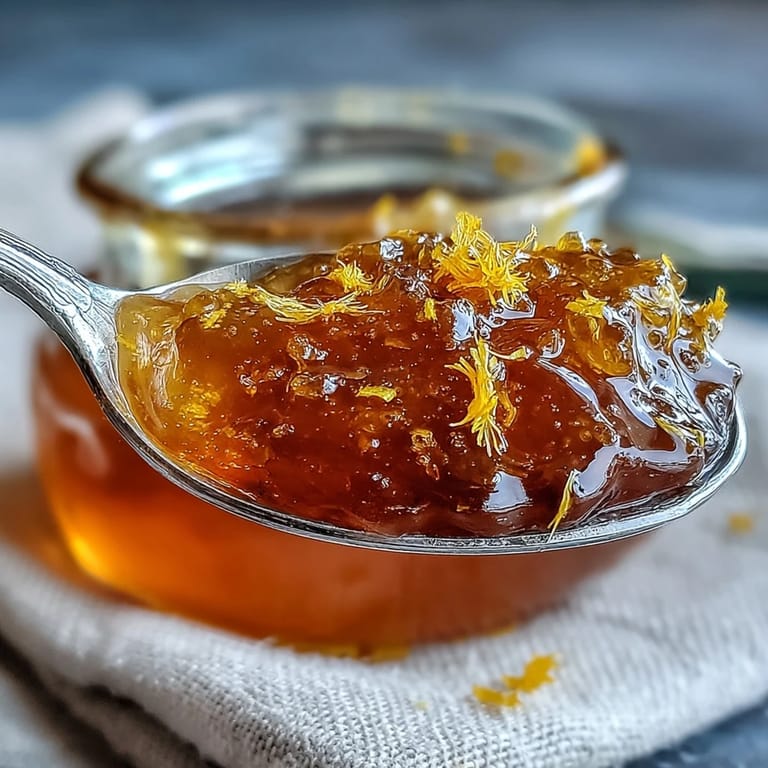
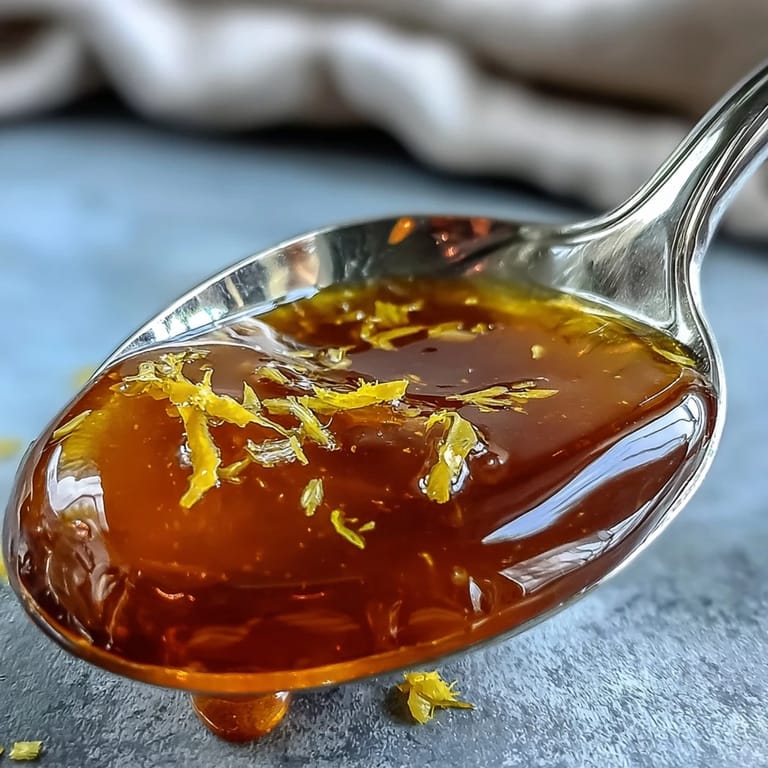
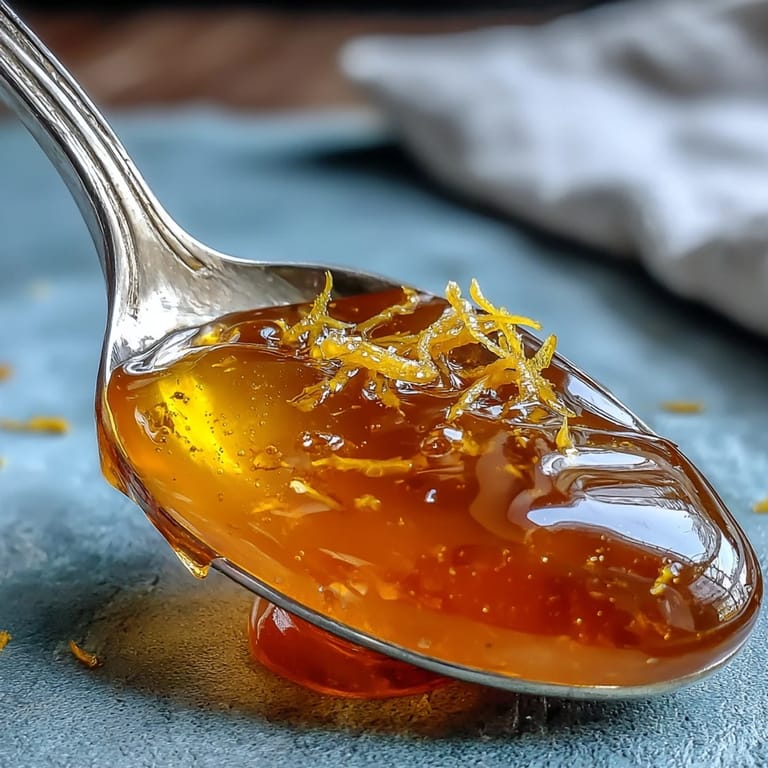
Save One rainy spring morning, I opened a jar for breakfast with my family, and the scent alone was enough to cheer us up. The golden ribbon atop our toast felt almost like bottling the sunshine we'd been craving after days of drizzle.
Foraging and Flower Picking Tips
Finding the right dandelions is half the adventure—choose open fields away from traffic or chemicals, and always double-check for bugs or hidden dew. Early morning is usually best, when the flowers are perkiest and the flavor is most delicate. The job can feel endless, but it goes faster with a friend and some good music. Sometimes my hands turn yellow, which always makes me laugh—like a secret handshake among jam makers.
Troubleshooting Your Jelly
If your jelly isn't setting up, don't panic; sometimes it just needs a bit more time or a brief reboil with extra pectin. I've had batches that threatened to stay runny, but patience usually saves the day. A too-firm jelly can loosen up with a few gentle stirs, especially when warmed before serving. Each batch teaches something new about the quirks of foraged preserves.
Serving and Storing Dandelion Jelly
The best moment is opening a jar in the middle of winter and spreading memories of spring on crisp toast or pancakes. The jelly also pairs beautifully with soft cheeses, tangy yogurt, or even as a surprise glaze for chicken or roasted carrots.
- Add a teaspoon of vanilla for a dreamy floral twist if you like.
- Always sterilize your jars and lids thoroughly—it truly matters for both safety and longevity.
- Let the sealed jars cool undisturbed, and check for a proper seal before storing.
 Save
Save This jelly captures a whole season in a jar. I hope it brings as much quiet joy to your kitchen as it has to mine.
Recipe Questions & Answers
- → What does dandelion jelly taste like?
This jelly has a delicate, floral flavor with subtle honey sweetness and citrusy lemon undertones, reminiscent of springtime.
- → How do I prepare fresh dandelion petals?
Pick only the yellow petals, discarding all green parts to avoid bitterness. Ensure blossoms are from untreated, pesticide-free areas.
- → Can I make this without honey?
Yes, substitute honey with more granulated sugar or agave syrup for a vegan-friendly version. Adjust to taste.
- → How do I know when the jelly has set?
Test by placing a spoonful on a cold plate; if it wrinkles when pushed gently, it is ready to jar.
- → What are some serving suggestions?
Spread on toast, serve with soft cheeses, or use as a glaze for roasted meats and vegetables.
- → Are there any special tools needed?
You'll need a large saucepan, fine mesh sieve or cheesecloth, measuring tools, sterilized jars, and a water bath canner.