 Save
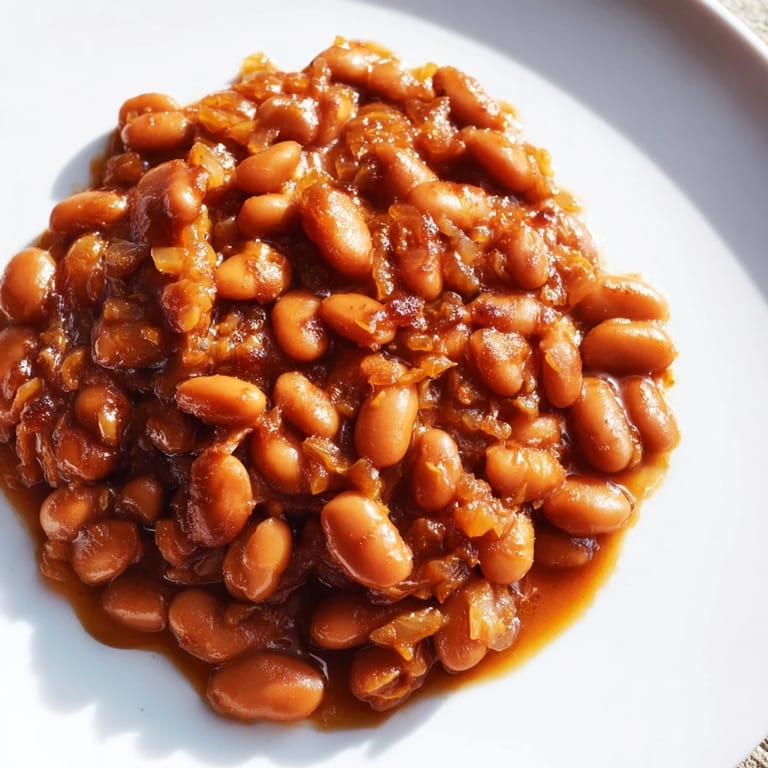
Save There's something about the smell of baked beans in the oven that fills a kitchen with pure comfort. I learned to make this recipe during a particularly quiet Sunday when I wanted something warm and substantial without fussing for hours. My grandmother used to make beans on the stovetop, but discovering that an oven does the heavy lifting—gently coaxing beans into tenderness while the molasses and tomato create this almost caramel-like depth—changed how I approach slow cooking. It's the kind of dish that makes a small apartment smell like someone's been cooking all day, even though most of the work happens hands-off. Now whenever I make a batch, I find myself with extras because people always ask for seconds.
I made this for a barbecue once and watched three people who claimed they didn't like beans go back for thirds. One guy even asked if I'd use canned beans to speed things up next time, missing the point entirely that the slowness is half the magic. That afternoon taught me that baked beans aren't just a side dish—they're the comfort equivalent of a warm hug on a plate.
Ingredients
- Dried navy beans (500 g or 3 cans): Navy beans absorb flavor beautifully and hold their shape during the long cooking time; if you're using canned beans, you'll save about an hour and skip the soaking step, which is a perfectly valid shortcut.
- Medium onion and garlic: These build the aromatic base that makes everything taste deeper and more savory than it has any right to.
- Canned crushed tomatoes (400 g): Crushed tomatoes distribute evenly through the sauce better than diced, creating a smoother, more cohesive texture.
- Molasses (60 ml): This is the secret ingredient that transforms ordinary beans into something memorable—it adds complexity and a subtle richness that brown sugar alone cannot.
- Brown sugar (3 tbsp): Layer this with the molasses to create a balanced sweetness that enhances rather than overwhelms.
- Tomato paste (2 tbsp): A small amount concentrates tomato flavor and adds body to the sauce.
- Dijon mustard (1 tbsp): Mustard cuts through richness and adds a gentle tang that prevents the dish from tasting cloying.
- Apple cider vinegar (1 tbsp): The acidity is crucial—it brightens everything and keeps the beans from feeling heavy.
- Smoked paprika (1 tsp): This gives a whisper of smokiness that makes people wonder if you added bacon even when you haven't.
- Ground black pepper (½ tsp): Fresh cracked pepper is always worth the tiny bit of extra effort here.
- Salt (1 tsp): Start with this amount but taste near the end—you may need more depending on your other ingredients.
- Water (250 ml): This becomes part of the sauce, so the amount matters for achieving the right consistency.
- Olive oil (2 tbsp): A good quality olive oil makes a noticeable difference in the aromatics.
Tired of Takeout? 🥡
Get 10 meals you can make faster than delivery arrives. Seriously.
One email. No spam. Unsubscribe anytime.
Instructions
- Soak and cook the beans if starting from dried:
- Cover dried beans with cold water and leave overnight, which softens their skins and reduces cooking time. The next day, drain, cover with fresh water, bring to a boil, then simmer for about an hour until they're tender enough to break with a fork but still hold their shape. This step is skippable if you're using canned beans—just drain and rinse them well.
- Heat your oven:
- Set it to 160°C (325°F) so it's ready when you are.
- Build the flavor base:
- In your ovenproof pot, warm the olive oil over medium heat, then add your chopped onion and let it soften for about five minutes until it's translucent and fragrant. Add the garlic and cook for just one more minute so it releases its aroma without browning.
- Deepen the flavors:
- Stir in the tomato paste, smoked paprika, and black pepper, cooking for about a minute so the spices bloom in the hot oil—you'll smell the difference immediately. This step prevents those ingredients from tasting raw or dusty in the finished dish.
- Combine everything:
- Add your crushed tomatoes, molasses, brown sugar, mustard, vinegar, salt, and water, stirring until everything is well combined and the molasses is evenly distributed. It should look glossy and smell intensely savory-sweet.
- Add the beans:
- Stir in your cooked beans, making sure they're completely coated in the sauce rather than sitting on top. Bring the whole pot to a gentle simmer on the stovetop before you move it to the oven.
- Slow bake and finish:
- Cover the pot and transfer to the oven for 1½ to 2 hours, stirring occasionally so the beans cook evenly and the sauce reduces and thickens. Near the end, you'll notice the sauce has darkened slightly and clings to the beans rather than pooling at the bottom—that's when you know it's done.
- Taste and serve:
- Always taste before serving and adjust the salt or vinegar if needed; sometimes a tiny splash more vinegar brightens everything if the beans taste a bit flat. Serve hot, ideally with crusty bread to soak up the sauce.
 Save
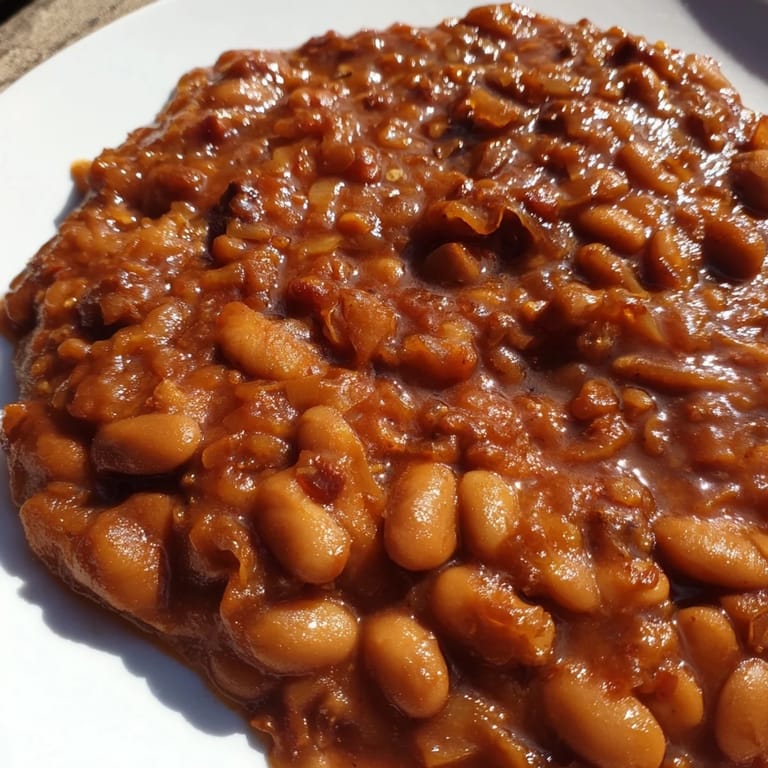
Save The first time I made these beans for someone I was trying to impress, I was so nervous about the timing that I checked on them every ten minutes. They were perfect anyway, and it taught me that oven cooking is forgiving in a way stovetop cooking isn't—the gentle, consistent heat does the thinking for you. Now I make them without worry, knowing that even if the timing stretches an extra 15 minutes, the result will still be wonderful.
The Power of Layering Flavors
What makes these beans taste nothing like canned beans from a supermarket is the approach of building flavor in layers rather than dumping everything in at once. When you sauté the onions first, they release their natural sweetness, which becomes the foundation everything else sits on. Then the tomato paste and spices bloom in hot oil, which activates their flavor compounds so they taste vibrant rather than flat. By the time you add the liquid and beans, you've created a base so flavorful that the beans have no choice but to taste incredible.
Customizing Your Batch
The base recipe is solid, but these beans are also a canvas for whatever you're craving. Bacon makes them smoky and indulgent—cook it until crispy, chop it, and stir it in with the beans. Liquid smoke does something similar if you want to skip the bacon entirely. Some people add a dash of hot sauce near the end for a subtle kick, while others stir in a spoonful of Worcestershire sauce for additional umami depth. You can also swap the navy beans for cannellini beans, which are slightly larger and creamier, or pinto beans, which have an earthier flavor. Experiment once you've made the basic version and feel confident in your adjustments.
Timing and Temperature Matter
The low, even heat of the oven is deliberately different from stovetop cooking because it prevents the beans from breaking apart while still allowing the sauce to reduce and thicken. If you tried to make these on the stovetop at a simmer, you'd either end up with mushy beans or a thin sauce—the oven gives you both at the same time. Temperature control is your friend here; 160°C is hot enough to cook the beans through but gentle enough that they stay intact throughout the process.
- If you're in a hurry, you can increase the oven temperature to 180°C, but watch closely because the beans may soften too quickly and the sauce won't reduce as effectively.
- Make these on a weekend morning if you want them ready for lunch, or start them after breakfast if dinner is your target.
- Leftover beans taste even better the next day once the flavors have melded overnight.
 Save
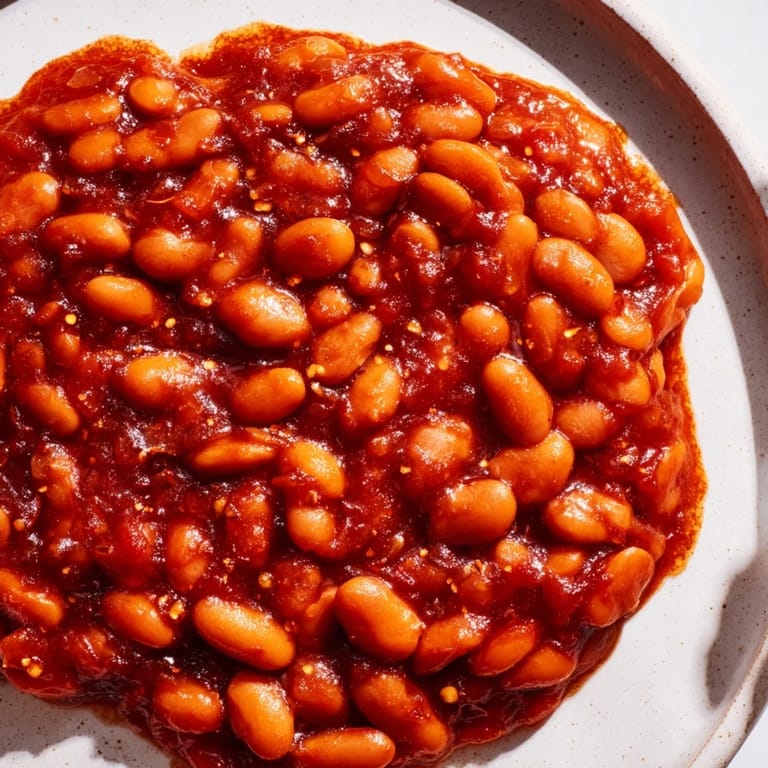
Save These beans have a way of becoming a tradition once you make them once or twice. They're the kind of comfort food that doesn't apologize for being simple, and they taste just as good at a casual weeknight dinner as they do at a proper gathering. Make a big batch and don't apologize for the leftovers.
Recipe Questions & Answers
- → What type of beans work best?
Traditional navy beans provide a creamy texture, but cannellini or pinto beans can be used for similar results.
- → How can I add a smoky flavor?
Incorporate diced cooked bacon or a few drops of liquid smoke to introduce a smoky depth to the sauce.
- → Is soaking dried beans necessary?
Soaking dried beans overnight helps soften them and reduces cooking time, ensuring even tenderness.
- → Can canned beans be used instead?
Yes, canned beans may be substituted; just drain and rinse them well before adding to the sauce.
- → What dishes pair well with this preparation?
Serve alongside crusty bread, grilled sausages, or as part of a full breakfast to complement its rich flavors.
- → How should seasoning be adjusted?
Taste toward the end of baking and adjust salt, pepper, or sweetness to balance the rich, tangy sauce.