 Save
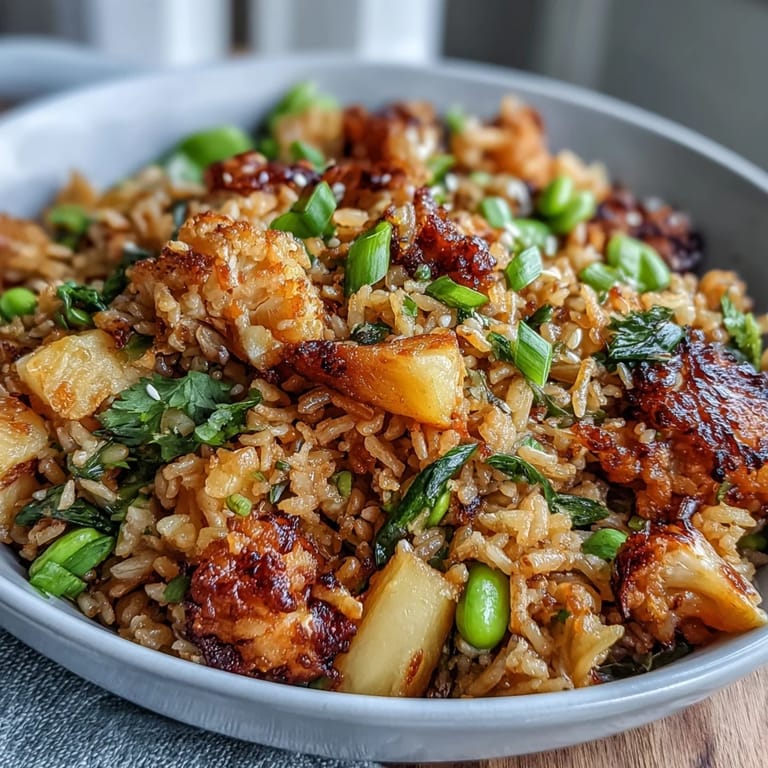
Save My roommate challenged me to make something healthy that didn't taste like rabbit food, and somehow this pineapple fried rice became the dish that proved vegetables could actually be fun. The first time I stirred that golden pineapple into the cauliflower rice, I watched her skepticism melt into genuine surprise. It's the kind of meal that feels indulgent but leaves you feeling energized, which is exactly the sweet spot I'd been hunting for.
I made this for a dinner party where everyone brought their own dietary restrictions, and it was the only dish that made everyone happy. Someone asked for the recipe before dessert was even served, and I realized I'd accidentally created something that bridges the gap between healthy eating and actually wanting seconds.
Ingredients
- Cauliflower, riced (about 5 cups): This is your rice substitute, and pulsing it in a food processor gives you better control than buying pre-riced—it stays tender instead of turning to mush.
- Fresh pineapple, diced (1 cup): The star that makes this whole thing work; canned works in a pinch, but fresh gives you that bright, juicy pop that makes your mouth water.
- Edamame, shelled (1 cup): Your protein powerhouse, and honestly, they add such a satisfying texture that you barely notice the absence of traditional rice.
- Red bell pepper and carrot: The sweetness here works with the pineapple instead of fighting it, creating this unexpected flavor harmony.
- Green onions (4), sliced separately: White parts go in early for depth, green parts finish the dish for brightness—this small move makes a real difference.
- Garlic and ginger (2 cloves garlic, 1 teaspoon ginger): These aromatics are non-negotiable; they're what makes your whole kitchen smell like you actually know what you're doing.
- Peas and other vegetables (1/2 cup peas): Add whatever you have on hand—this dish is forgiving and actually gets better with more color and variety.
- Tamari or soy sauce (3 tablespoons): Use gluten-free tamari if that matters to you; it coats everything with that deep umami flavor that makes vegetables taste like comfort food.
- Toasted sesame oil (1 tablespoon): This isn't the place to skimp—real sesame oil has a nutty depth that cheap oil can't touch.
- Rice vinegar (1 tablespoon): The acid that wakes everything up and keeps the flavors from becoming one-dimensional.
- Sriracha or chili-garlic sauce (1 teaspoon, optional): Start small, taste, then adjust—some days you want gentle heat, other days you want it to wake you up.
- Roasted cashews or peanuts, chopped (2 tablespoons): The crunch that makes your brain register this as a real meal instead of just vegetables.
- Fresh cilantro or basil (2 tablespoons): Cilantro is traditional, but basil works if that's your preference and makes the whole thing feel slightly different.
- Lime wedges: Squeeze these over everything at the end—it's the final note that ties the whole composition together.
Tired of Takeout? 🥡
Get 10 meals you can make faster than delivery arrives. Seriously.
One email. No spam. Unsubscribe anytime.
Instructions
- Get your cauliflower ready:
- Remove the leaves and core from your cauliflower head, then pulse the florets in a food processor until they look like rice grains—some pieces will be smaller and some bigger, which is perfect because it means varied textures. If you don't have a processor, a box grater works, though your knuckles might hate you by the end.
- Wake up your pan:
- Heat that sesame oil in a large skillet or wok over medium-high heat until it shimmers and smells absolutely incredible. You'll know it's ready when the oil moves like liquid silk and catches the light.
- Bloom your aromatics:
- Add your minced garlic, grated ginger, and the white parts of your green onions to the hot oil and let them sizzle for about 1 minute—this is when your kitchen starts smelling like real cooking. Stir constantly so nothing burns but everything gets fragrant and gorgeous.
- Introduce the harder vegetables:
- Toss in your diced carrot and bell pepper, then stir-fry for 2 to 3 minutes until they start to soften but still have some snap. You want them surrendering to the heat, not disappearing into mush.
- Make friends with the cauliflower:
- Add all your riced cauliflower and stir it constantly for about 4 to 5 minutes—this is where patience matters, because you're coaxing it to tender without letting it get mushy and sad. The pan will be full, which feels chaotic, but that's part of the charm.
- Bring in the supporting cast:
- Stir in your peas, edamame, and pineapple, then cook for another 2 to 3 minutes just until everything is heated through. The pineapple will start releasing its own juices, which is exactly what you want.
- Dress it all up:
- Pour in your tamari, rice vinegar, and sriracha (if you're using it), then toss everything so the sauce coats every single piece. Taste it here and adjust your salt, pepper, or heat—this is your moment to make it exactly how you want it.
- Final flourish:
- Remove from heat and stir in the green parts of your green onions and about half your cilantro, which adds brightness without getting cooked away. The residual heat will wilt them just enough.
- Plate and celebrate:
- Serve it hot, scattered with your chopped cashews, remaining cilantro, and lime wedges so people can squeeze them over right before eating. This last-minute citrus squeeze is what transforms good into crave-worthy.
 Save
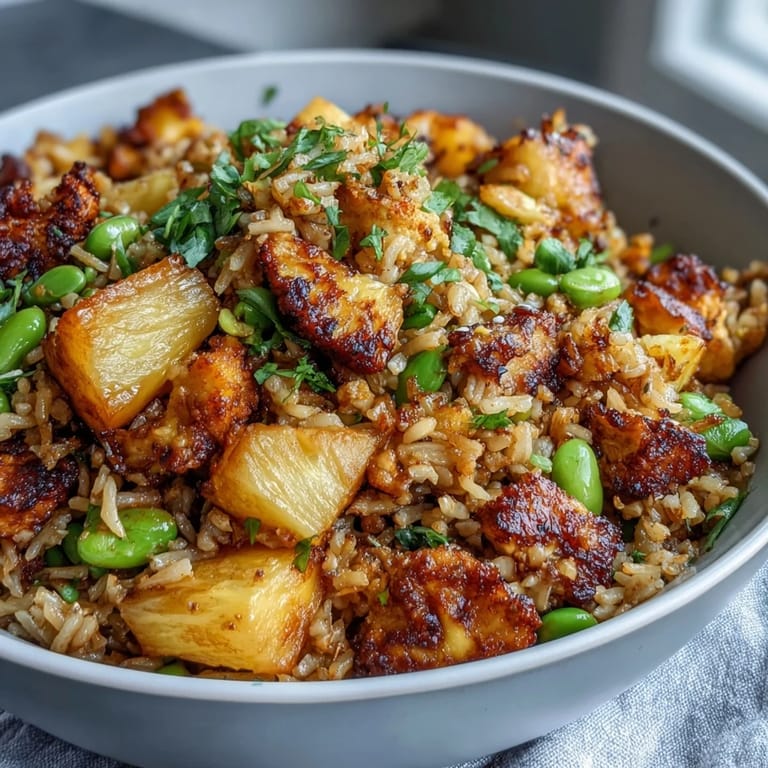
Save My neighbor came over smelling the sesame oil and ginger from the hallway, and by the time I'd finished cooking, they were hovering in my kitchen asking if they could stay for dinner. That's when I knew this wasn't just a recipe—it was the kind of food that brings people closer.
Why Cauliflower Works Better Than You'd Think
Cauliflower rice gets a bad reputation from people who've only tried the mushy, waterlogged versions from grocery stores. When you rice it yourself and cook it hot and fast with sesame oil, something magic happens—it gets these delicate, almost crispy edges while staying tender inside, and the nutty flavor from the oil carries everything. It's not about tricking yourself into thinking you're eating rice; it's about discovering that cauliflower is genuinely delicious when you treat it right.
The Secret of the Sweet and Savory Balance
The first time I made fried rice, I used frozen pineapple chunks and they turned to mush in the heat. Fresh pineapple changed everything because its firm structure holds up to the quick cooking while still releasing its juice. The interplay between the sweet fruit, umami-rich soy sauce, and bright ginger creates this complexity that makes your palate keep coming back for more bites.
Making It Your Own and Staying Flexible
This recipe is genuinely adaptable without losing its soul—I've made it with snap peas, water chestnuts, diced tofu, cashew cream, you name it. The core technique stays the same, which means you can lean into whatever vegetables are calling to you that week. One night I had no edamame so I threw in some white beans, and nobody even noticed the substitution because everything else was so flavorful.
- Swap the edamame for tofu cubes if you want a different protein or need to avoid soy.
- Water chestnuts or snap peas add crunch if you miss the texture of traditional rice.
- Serve it inside hollowed-out pineapple halves if you're feeling festive and want to impress someone.
 Save
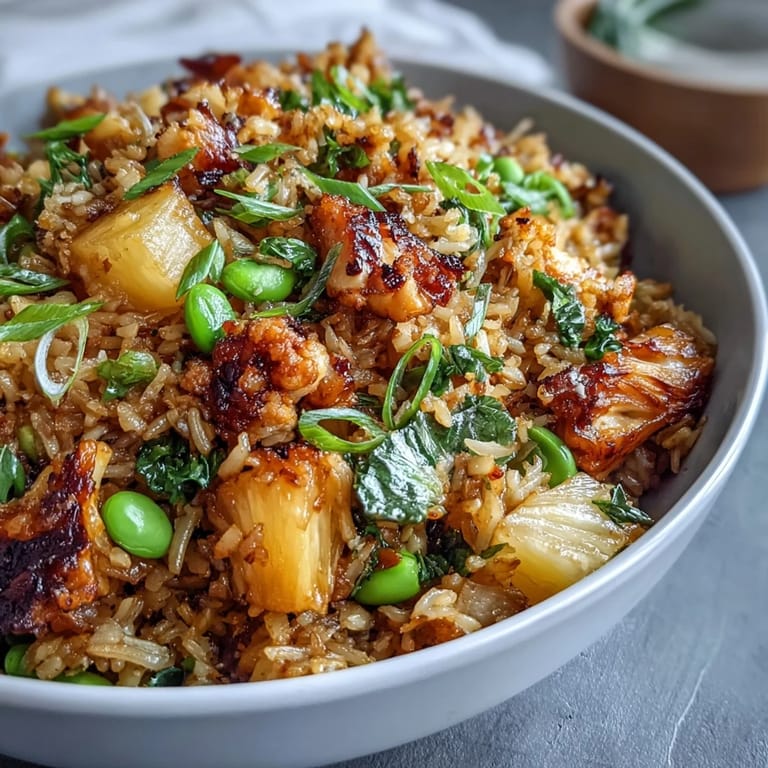
Save This dish quietly became one of my weeknight anchors, the kind of meal I make when I'm tired but want to feel accomplished. It proves that healthy food doesn't have to taste like punishment, and that's a lesson worth keeping.
Recipe Questions & Answers
- → Can I use frozen cauliflower rice?
Yes, frozen cauliflower rice works well. Thaw and drain any excess moisture before cooking for the best texture.
- → How spicy is the dish?
The spice level is mild by default, but adding sriracha can add a gentle heat. Adjust according to your preference.
- → Can I substitute edamame with tofu?
Absolutely. Firm tofu cubes provide a similar protein boost and work well with the flavors of this dish.
- → What are suitable garnishes?
Chopped cashews or peanuts add crunch, while fresh cilantro or basil offers a bright herbal note. Lime wedges enhance freshness.
- → Is this dish gluten-free?
Yes, using tamari instead of traditional soy sauce keeps the dish gluten-free without sacrificing flavor.
- → Can I add other vegetables?
Yes, adding snap peas or diced water chestnuts works well and adds extra texture to the dish.