 Save
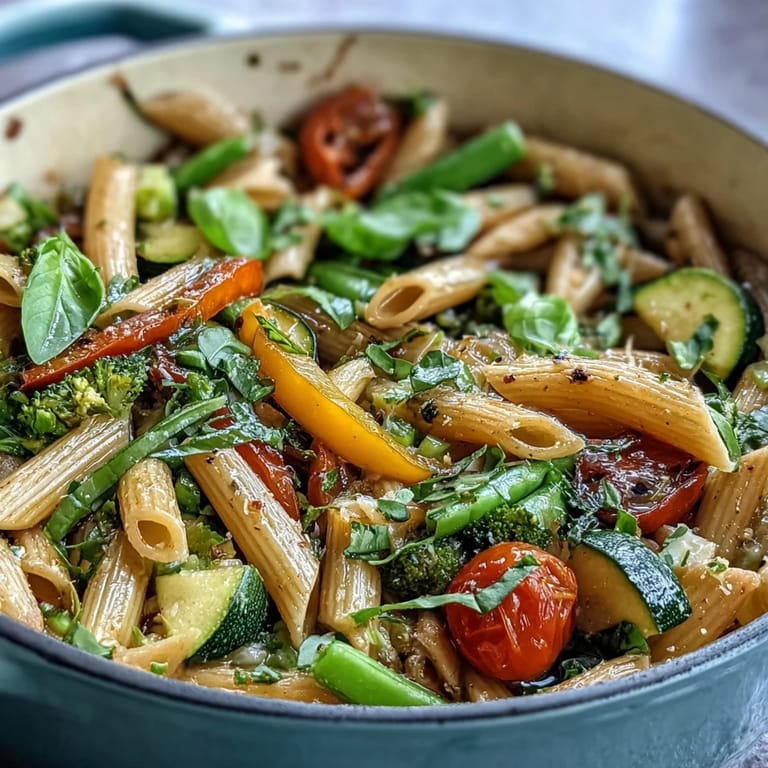
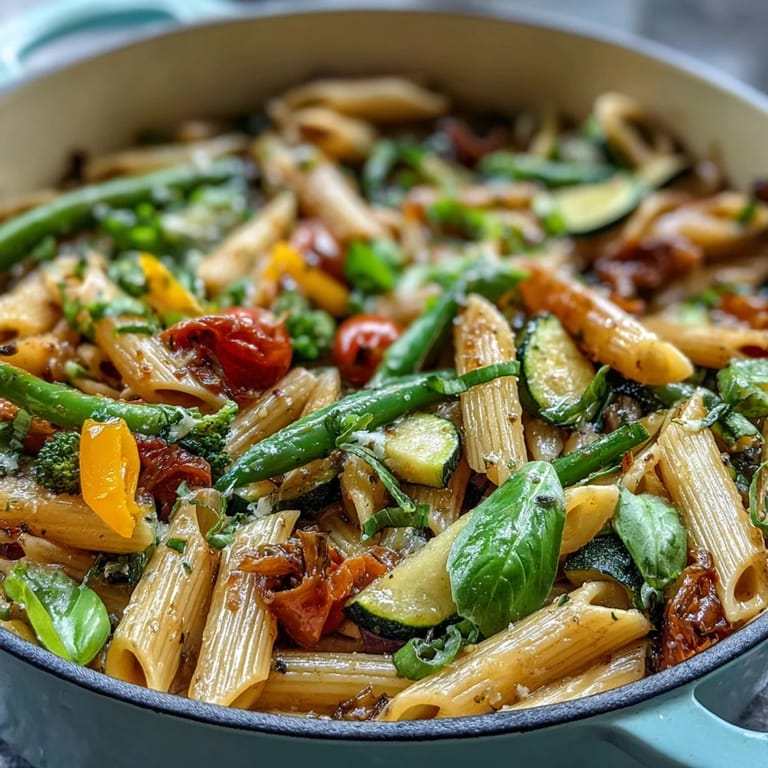
Save There's something magical about watching a pot transform into dinner without dirtying half your kitchen. I stumbled onto this one-pot pasta primavera on an ordinary Tuesday when my usual cooking rhythm felt stale, and I wanted something that tasted like spring but didn't require orchestrating five different pans. The first time I made it, I was skeptical that pasta could cook directly in broth without turning into mush, but that gentle simmer worked absolute wonders. Now it's become my go-to when friends drop by and I want to look effortless while actually delivering something vibrant and alive on the plate.
I made this for my sister during one of those chaotic family gatherings where everyone arrived hungry and impatient, and she watched me from the kitchen counter as the whole dish came together in less than thirty minutes. When that lemony steam rose from the pot and she caught her first whiff of basil, her face shifted from skeptical to genuinely delighted. It became her request now whenever she visits, which is funny because she used to think vegan pasta meant sad and boring.
Ingredients
- Dried penne or fusilli (340 g): Look for pasta labeled vegan-friendly since some brands use egg; the shapes you choose will slightly change how the dish feels on your tongue, and I personally love how fusilli catches all that lemony broth in its spirals.
- Red onion (1 small, thinly sliced): The thin slices cook down to something almost sweet and are less aggressive than yellow onion, which I learned after an overly assertive batch taught me a lesson.
- Garlic (2 cloves, minced): Fresh garlic is absolutely non-negotiable here because it's what creates that savory backbone everything else builds on.
- Red and yellow bell peppers (1 small each, sliced): The two colors aren't just pretty—they add different flavor notes, with red being slightly sweeter and more mature than yellow's fresher bite.
- Medium zucchini (1, sliced into half-moons): Cut it this way so it absorbs the broth without dissolving into invisibility like coins if you cut them into rounds.
- Cherry tomatoes (1 cup, halved): Halving them lets them soften and release their sweet juice directly into the pot rather than staying stubbornly whole.
- Snap peas or green beans (1 cup, trimmed): Either works beautifully, but snap peas keep more snap and char slightly if they touch the pot bottom, which is delicious.
- Broccoli florets (1 cup): Keep them smaller than you think because they'll continue softening after you remove from heat, and nothing's sadder than mushy broccoli.
- Low-sodium vegetable broth (900 ml): The pasta will absorb most of this, so the broth's flavor becomes the pasta's flavor—taste yours first because some brands lean salty.
- Extra-virgin olive oil (2 tbsp): This is what keeps the vegetables from sticking and adds that luxurious silkiness at the beginning before everything gets saucy.
- Sea salt and freshly ground black pepper: Wait to fully season until the end when you can actually taste how everything comes together.
- Red pepper flakes (optional pinch): I add these almost every time because that subtle heat makes the lemon sing in an unexpected way.
- Lemon zest and juice (from 1 lemon): Use a microplane if you have one because the finest zest disperses better than chunky pieces, and squeeze the juice fresh—bottled doesn't carry the same brightness.
- Fresh basil leaves (½ cup, torn): Tear them with your fingers rather than cutting with a knife so they don't bruise and turn black at the edges.
- Nutritional yeast (2 tbsp, optional): This adds a subtle savory depth that mimics cheese without the heaviness, but it's truly optional if you love the dish as-is.
Tired of Takeout? 🥡
Get 10 meals you can make faster than delivery arrives. Seriously.
One email. No spam. Unsubscribe anytime.
Instructions
- Get Your Oil Shimmering and Build Your Base:
- Heat the olive oil in your large pot over medium heat until it's fragrant and moves freely when you tilt the pan, then add your sliced onion and minced garlic. Let them sauté for those two to three minutes, stirring occasionally, until the onion turns translucent and the garlic stops smelling raw and starts smelling like dinner.
- Welcome the Rainbow of Vegetables:
- Add your bell peppers, zucchini, cherry tomatoes, snap peas, and broccoli all at once, stirring them into the garlicky oil. Let them get a slight head start for three to four minutes, which softens their edges just enough so they'll finish cooking perfectly when the pasta joins the party.
- Combine Everything and Release the Steam:
- Pour in your vegetable broth, then add the dried pasta directly to the pot along with salt, pepper, and those red pepper flakes if you're using them. Stir everything really well so the pasta separates and isn't clumping together in one starchy mass.
- Let the Magic Simmer:
- Bring it all to a rolling boil, then reduce the heat to a gentle simmer and leave it uncovered for about ten to twelve minutes, stirring every couple of minutes so nothing sticks to the bottom. You're waiting for that moment when the pasta tastes tender but still has a tiny bit of resistance, and when you look at the pot, the broth has mostly been absorbed so it's saucy but not soupy.
- Finish with Brightness and Fresh Air:
- Remove from heat and stir in your lemon zest, lemon juice, torn basil, and nutritional yeast if you're using it. Give it a taste and adjust your seasoning because that's when you'll know if it needs more salt, more lemon, or just to sit for a minute so the flavors can settle.
- Serve Immediately While Everything's Still Steaming:
- Divide into bowls and if you want to be fancy, add a little more fresh basil and a drizzle of olive oil on top. Eat it right away while the pasta is at its most tender and that basil still smells like a summer garden.
 Save
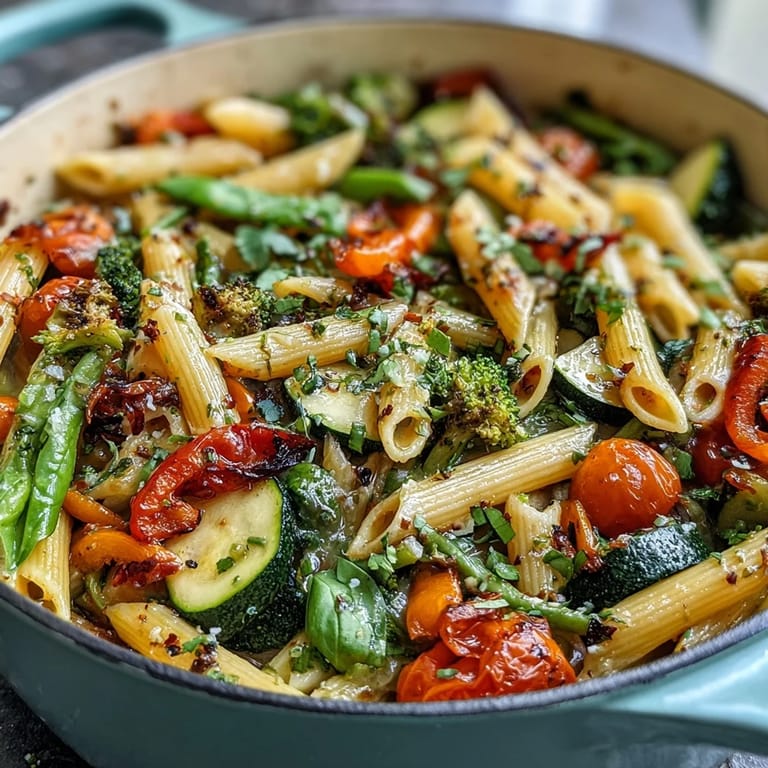
Save I'll never forget cooking this for myself on a night when everything felt heavy and complicated, and this one pot somehow reset my whole mood. There's something about chopping bright vegetables and watching them turn into something nourishing that feels like a small act of kindness toward yourself, especially when it's this easy.
The Secret of the One-Pot Method
Most people think pasta cooked directly in broth will be gummy, but what actually happens is the starches release into the liquid and create a creamy texture naturally without any cream at all. The key is keeping the heat moderate once you bring it to a boil—too high and the broth evaporates too fast and your pasta stays hard, too low and it takes forever and the vegetables start falling apart. I learned this by burning the bottom of a pot once and over-boiling another time, and now I watch it the way you'd watch a friend's story unfold, checking in but not hovering.
Why Vegetables Matter More Than You Think
The vegetables aren't just decoration here—they're what makes this dish actually feel like a meal instead of just dressed-up pasta. Their natural sweetness balances the lemon, their texture contrasts with the soft pasta, and honestly, they're where most of the nutrition lives. Don't skip any of them just because your grocery store didn't have yellow peppers, but don't overthink substitutions either because this recipe is genuinely forgiving.
Making It Seasonal and Personal
Winter me might add shredded carrots and kale, spring me reaches for fresh asparagus and peas, and summer me loads up on whatever heirloom tomatoes I can find. The beauty of this dish is that it genuinely changes with the seasons and with what's cheap and good at your market. I've made it thirty different ways now and it hasn't failed me yet, which is the kind of recipe you want to return to again and again.
- Asparagus, fresh peas, or spinach are brilliant additions that cook down without losing their character.
- Mushrooms or sun-dried tomatoes add umami depth if you want the dish to feel more luxurious.
- A handful of chickpeas or white beans transforms it into an even heartier protein-packed meal.
 Save
Save This dish has become my answer to 'what should we eat tonight' because it's foolproof, fast, and genuinely delicious enough to share proudly. Make it once and you'll understand why I keep coming back to it.
Recipe Questions & Answers
- → Can I use gluten-free pasta in this dish?
Yes, gluten-free pasta works well as a substitute to keep the dish suitable for gluten sensitivities.
- → What can I use instead of nutritional yeast?
You can skip it or add vegan parmesan or toasted pine nuts for a similar cheesy flavor and texture.
- → How do I know when the pasta is perfectly cooked?
Cook until al dente, typically 10-12 minutes, with most liquid absorbed but pasta still tender with slight bite.
- → Can this dish be prepared with other vegetables?
Absolutely, seasonal veggies like asparagus, peas, or spinach can be added or swapped depending on availability.
- → Is it necessary to sauté the vegetables before adding pasta?
Sautéing softens the vegetables and enhances their flavors, but you can also add them directly if short on time.
- → What wine pairs well with this pasta?
A crisp Sauvignon Blanc or sparkling water with lemon complements the fresh, zesty flavors beautifully.