 Save
Save My sister called last spring asking what to bring to a potluck, and I suggested roasting a chicken with oranges and herbs because it sounded impressive but honestly wasn't complicated. When she pulled it out of her oven, the kitchen smelled so bright and alive that everyone crowded around before we'd even sat down. That's when I realized this dish does something magic—it makes people pause mid-conversation just to breathe in the aroma. Since then, it's become my go-to when I want to feed a table of people without spending all afternoon in the kitchen.
I made this for my neighbor Tom the winter he was going through a rough patch, and he showed up at my door with a bottle of wine before dinner was even ready. He sat at my kitchen counter watching the chicken turn golden, asking questions about the herbs, and by the time we ate, he was telling stories and laughing harder than I'd heard in months. Food has this quiet power sometimes—it's not about the ingredients, it's about someone taking time to cook for you.
Ingredients
- 1 whole chicken (about 1.5 kg / 3.3 lbs), giblets removed: This is your canvas—look for a bird with smooth, unblemished skin and let it sit at room temperature for 20 minutes before cooking so it roasts evenly.
- 2 oranges (zested and juiced): The zest adds brightness that juice alone can't deliver, so don't skip that step; just use a microplane and you'll capture all those fragrant oils in the skin.
- 3 tbsp olive oil: This carries the flavors into every crevice of the chicken and helps create that crispy, mahogany skin everyone fights over.
- 4 garlic cloves, minced: Mince them fine so they distribute throughout the marinade instead of sitting in chunks.
- 2 tbsp fresh rosemary, chopped: Fresh makes all the difference here—dried rosemary will turn bitter at high heat, so hunt down the fresh stuff.
- 1 tbsp fresh thyme leaves: Strip the leaves from the stems with your fingers rather than chopping; they're delicate and deserve gentleness.
- 1 tbsp fresh parsley, chopped: This is your gentle, grounding note that balances the stronger herbs without overpowering them.
- 1 tsp salt and ½ tsp black pepper: Season generously but resist the urge to add more salt during roasting—you can always taste and adjust after.
- 3 medium carrots, peeled and cut into 2-inch pieces: Cut them into similar sizes so they roast at the same rate and don't end up with some burnt and some underdone.
- 2 parsnips, peeled and cut into 2-inch pieces: Parsnips have a subtle sweetness that plays beautifully against the citrus, but if you're not a fan, carrots work just fine in their place.
- 2 medium potatoes, cut into chunks: Waxy potatoes hold their shape better than mealy ones, so reach for red or Yukon gold.
- 1 large red onion, cut into wedges: Red onions turn almost purple when roasted and add a gentle sweetness that balances the herbs.
- 1 small sweet potato, peeled and cut into chunks: This adds color and a touch of caramel-like sweetness that makes the whole pan taste richer.
Tired of Takeout? 🥡
Get 10 meals you can make faster than delivery arrives. Seriously.
One email. No spam. Unsubscribe anytime.
Instructions
- Preheat and prepare your space:
- Set your oven to 400°F (200°C) and let it come to temperature—this takes about 15 minutes, and you want it hot so the chicken skin browns beautifully from the start. Get your roasting pan ready on the counter so you're not scrambling when the chicken is prepped.
- Make the marinade:
- Combine orange zest, juice, olive oil, minced garlic, and all those fresh herbs in a small bowl, stirring until everything looks evenly distributed. Taste it—it should smell alive and herbaceous, bright enough that you want to dip your finger in for a taste.
- Season the chicken inside and out:
- Pat the chicken completely dry with paper towels because moisture is the enemy of crispy skin. Rub half the marinade all over the chicken, getting under the wings and thighs and gently lifting the skin to work some marinade underneath where it'll season the meat directly; stuff the cavity with orange peels and a few herb sprigs if you want an extra flourish.
- Build your vegetable bed:
- Toss all your cut vegetables with the remaining marinade in the roasting pan, making sure every piece gets coated, then spread them out in a single layer. This becomes the flavor foundation for everything else, so don't skimp on mixing.
- Position the chicken:
- Set the chicken breast-side up directly on top of the vegetables, which will cradle it and let the juices drip down as it cooks. The vegetables act as a natural roasting rack and flavor conductor all at once.
- Roast with care:
- Slide the pan into your preheated oven and set a timer for 40 minutes, then baste the chicken with the pan juices—this means tipping the pan carefully and using a spoon to drizzle those beautiful juices back over the skin. Continue roasting for another 40 minutes, checking that the skin is turning a deep golden brown and an instant-read thermometer inserted into the thickest part of the thigh (without touching bone) reads 165°F (74°C).
- Rest before serving:
- Tent the pan loosely with foil and let everything sit for 10 minutes—this pause lets the juices redistribute through the chicken meat, making each bite impossibly tender. Use this time to catch your breath and take a moment before carving.
 Save
Save One afternoon, my daughter came home from school talking about how she'd made roasted vegetables in cooking class, and when I told her I had made this chicken that same morning, she asked if we could eat together at the table instead of in front of the television. We sat there talking about her day while she discovered that these weren't the sad steamed vegetables from her childhood, and something shifted in how she thought about food altogether.
The Secret of Golden Skin
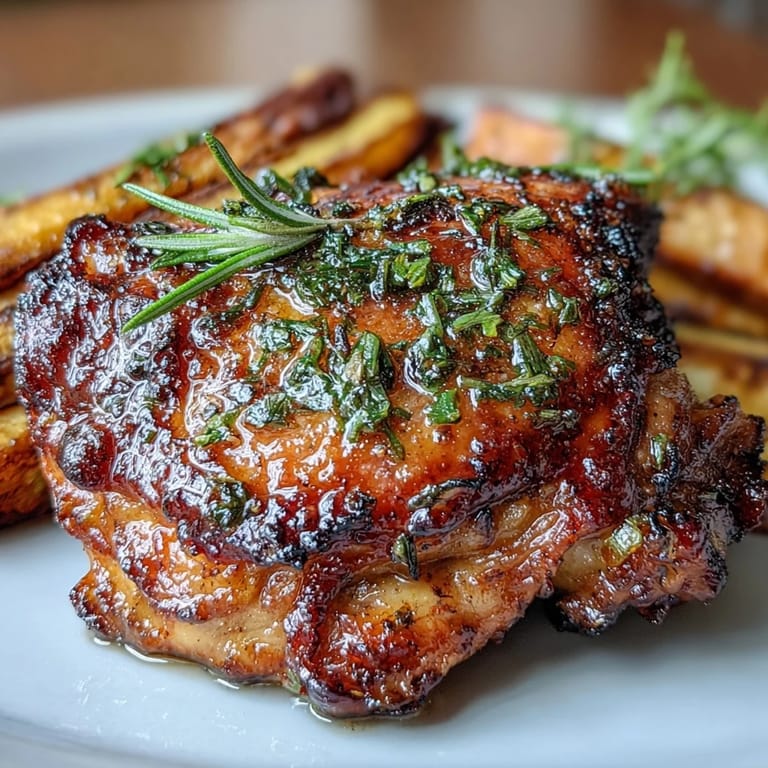
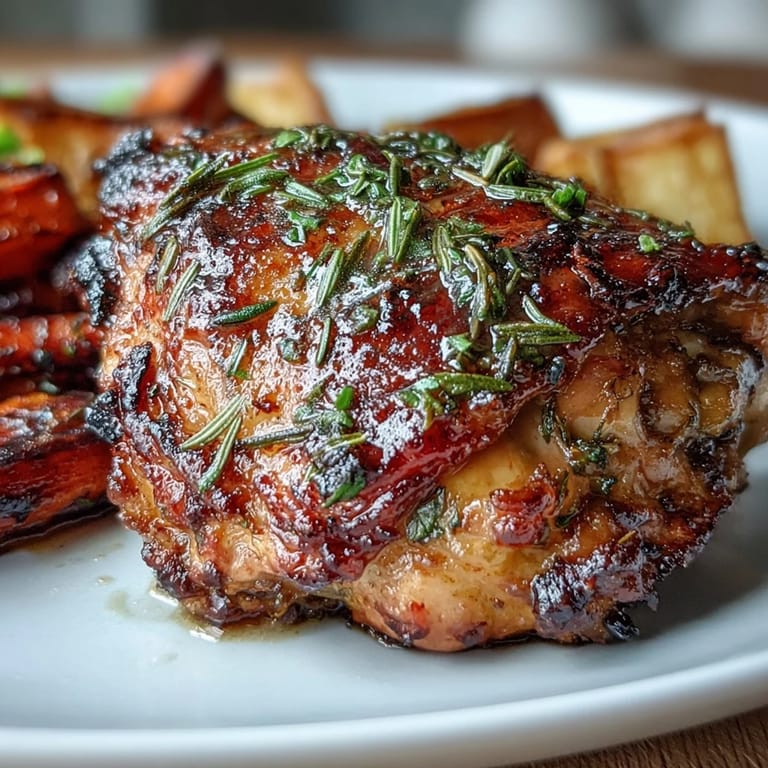
The difference between a pale, soft-skinned chicken and one with that burnished, crackling exterior comes down to two things: moisture control and oven temperature. Make sure you genuinely dry the bird with paper towels, and don't be timid about it—press firmly to remove every drop of surface moisture because water and crispy skin are enemies. Your oven should be at full 400°F when the chicken goes in, and if you notice the skin browning too quickly before the meat is cooked through, you can gently tent just the breast area with a small piece of foil to slow the browning while the thighs continue cooking. The last 20 minutes of roasting, uncover everything so the skin can finish crisping and taking on that deep mahogany color.
When to Know Its Done
An instant-read thermometer is your true friend here because roasted chicken is one of those dishes where you need precision—overcooked and the meat turns dry, undercooked and you've got a whole separate problem. The magic number is 165°F (74°C) in the thickest part of the thigh, measured without the thermometer touching bone, because that's where the meat takes longest to cook. If you don't have a thermometer, you can pierce the thigh with a sharp knife and look at the juices—they should run clear, not pink, though honestly I'd rather you invest in a $10 thermometer than second-guess yourself.
Variations and Personal Touches
This recipe is flexible enough to bend to what you have on hand and what sounds good at the moment. If parsnips feel fancy or you can't find them, add more carrots or try turnips—the root vegetable family is forgiving. I've added a tablespoon of honey to the marinade before when I wanted something slightly sweeter, and it brings out caramel notes in the roasted vegetables that feel almost indulgent. The dish also improves dramatically if you have access to fresh herbs you haven't tried before—replace the parsley with tarragon sometime, or add a small handful of fresh sage if that calls to you.
- Substitute parsnips with turnips, rutabaga, or extra carrots depending on what's in season or what your family prefers.
- A tablespoon of honey stirred into the marinade adds depth without making anything taste sweet, just rounder and more complex.
- Fresh sage or tarragon can replace parsley if you want to experiment with different herbal personalities.
 Save
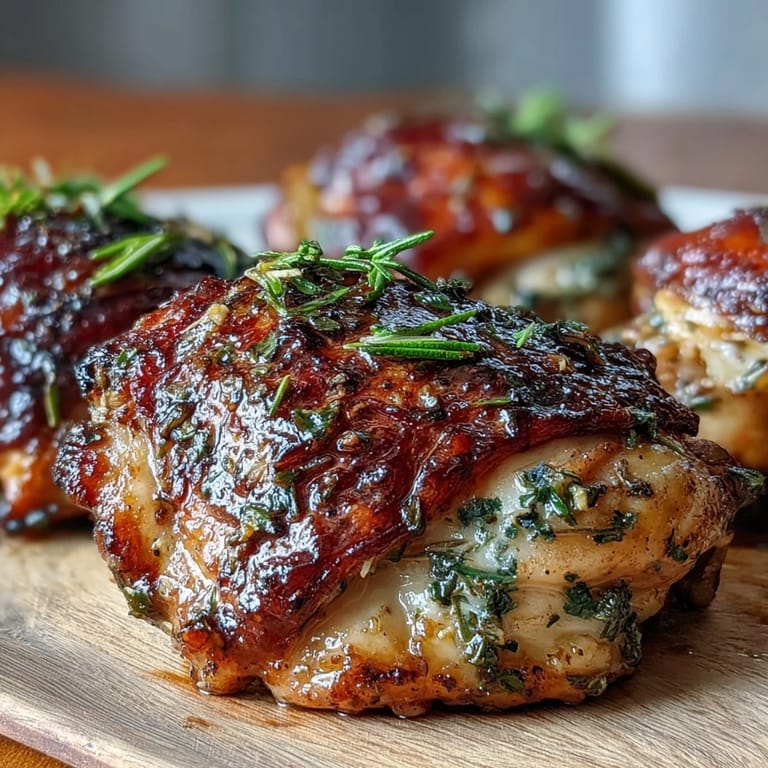
Save This chicken has a way of making ordinary Tuesday nights feel like an occasion, and the leftovers are generous enough to carry you through the week. Feed people with it, and watch how a simple roasted bird becomes the centerpiece of a story.
Recipe Questions & Answers
- → How do I ensure the chicken stays juicy?
Marinate the chicken well and baste it halfway through roasting. Letting it rest covered after cooking also helps retain moisture.
- → Can I substitute the root vegetables?
Yes, you can replace parsnips with extra carrots or turnips to suit your taste and availability.
- → What temperature should the chicken be cooked to?
Cook until the thickest part of the thigh reaches 165°F (74°C) for safe, tender results.
- → How does the orange flavor infuse the chicken?
Using both orange zest and juice in the marinade allows the citrus aroma and brightness to penetrate the meat during roasting.
- → Are there any suggested wine pairings?
This dish pairs nicely with a light Chardonnay or a dry Riesling, which complement the citrus and herb flavors.