 Save
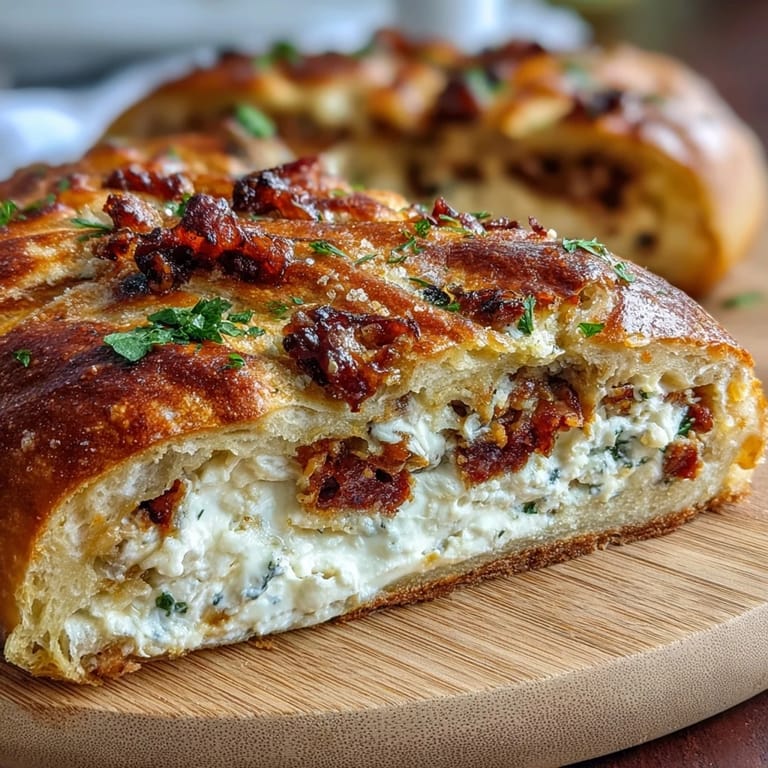
Save My grandmother pulled this pie from her wood-fired oven every Easter, the golden lattice top glistening with egg wash while the kitchen filled with the salty-savory aroma of ricotta and salami. She'd slice it warm, letting the creamy filling steam slightly, and somehow it became the meal everyone remembered long after the holiday decorations came down. Years later, I realized she'd given me more than a recipe, but the permission to make something that felt celebratory without being complicated. This Italian Easter pie has become my own tradition now, the kind of dish that transforms a simple brunch into an occasion.
I made this for the first time at my apartment when a neighbor knocked on my door asking what smelled so incredible, and suddenly we were sitting on my kitchen floor eating pie straight from the pan at six in the evening. That's when I knew this wasn't just a recipe worth keeping, but something meant to be shared and celebrated.
Ingredients
- All-purpose flour: The foundation of a tender, flaky pastry that cradles the filling without demanding perfection from your hands.
- Cold unsalted butter: Keep it genuinely cold, even in the freezer beforehand, because those little butter pockets are what create those delicate, shattering layers.
- Eggs (in pastry and filling): They bind everything together and help the pastry golden beautifully, while also enriching the custard-like filling.
- Cold water: Add just enough to bring the dough together, drop by drop, because too much turns elegance into toughness.
- Whole-milk ricotta cheese, well drained: The soul of this pie, creamy and mild, though draining it matters more than you'd expect to avoid a watery filling.
- Heavy cream: A modest amount keeps the filling luxurious without overshadowing the delicate ricotta flavor.
- Parmigiano-Reggiano cheese: The aged sharpness that reminds you this is sophisticated comfort food, not just a cheese pie.
- Italian salami, diced: Choose a quality one you'd actually eat on its own, because its character will shine through every bite.
- Mozzarella cheese, shredded: A softer cheese that melts into the filling, adding a subtle stretchy quality.
- Fresh parsley: A whisper of green herbaceousness that lifts the savory richness without taking over.
- Nutmeg and black pepper: These spices carry the Mediterranean warmth that makes this feel like a celebration rather than just lunch.
- Salt: Use it deliberately at each stage, tasting as you go, because seasoning a filling correctly is the difference between good and remarkable.
Tired of Takeout? 🥡
Get 10 meals you can make faster than delivery arrives. Seriously.
One email. No spam. Unsubscribe anytime.
Instructions
- Ready your workspace and oven:
- Preheat your oven to 375°F and grease your springform or pie pan thoroughly so the finished pie releases without drama. Having everything in place before you start means you can move smoothly from dough to oven without second-guessing yourself.
- Build the pastry:
- Combine flour and salt, then cut in the cold butter until it looks like coarse sand with some pea-sized pieces remaining, which is exactly what you want. Add an egg, then ice water in small splashes, mixing gently until the dough just comes together without becoming tough or sticky.
- Chill and patience:
- Wrap the dough and refrigerate for twenty minutes while you move on to the filling, a small pause that prevents shrinkage later. This isn't wasted time, it's insurance against disappointment.
- Line the pan with purpose:
- Roll out two-thirds of your dough and fit it into the pan, leaving a slight overhang that you'll trim later, creating clean edges. Don't stretch the dough or it'll shrink back up during baking, just let it settle naturally into the curves.
- Create the filling magic:
- In a bowl, whisk ricotta with eggs and cream until smooth, then fold in the cheeses, salami, parsley, and seasonings so every spoonful will taste balanced. Taste a small amount raw to adjust salt and pepper, because this is your moment to ensure perfection before it bakes.
- Fill and crown:
- Pour the filling into the pastry-lined pan and smooth the top gently, then roll out the remaining dough and cut strips for a lattice pattern. Arrange them in a diagonal weave, trim the overhanging edges, and crimp them with a fork for a rustic, intentional finish.
- Final touches before baking:
- Brush the lattice and all exposed pastry with beaten egg wash, which will give you that burnished golden look that makes people lean in close to admire it. This egg wash transforms the pie from homemade to something that looks like it came from a proper bakery.
- The bake:
- Slide into the oven for fifty-five to sixty minutes until the crust is deep golden and the filling is set but still slightly jiggly in the very center. If the edges brown too quickly, drape foil loosely over them, protecting the pastry while the interior continues cooking through.
- Rest before serving:
- Cool for at least thirty minutes so the filling sets completely and becomes sliceable rather than flowing across the plate. Patience here rewards you with neat wedges that look as good as they taste.
 Save
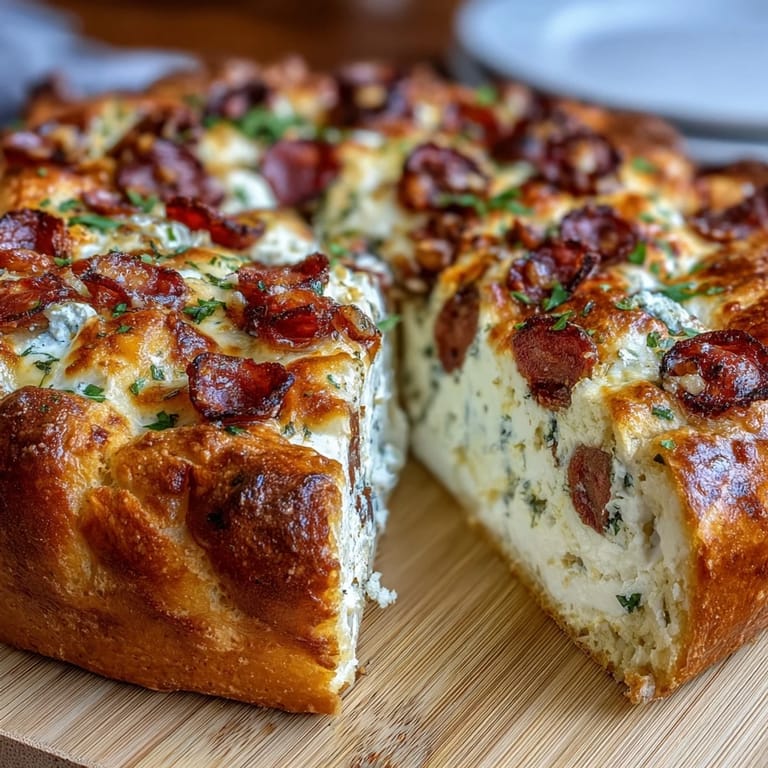
Save The first slice I cut at a family dinner disappeared before it even hit the plate, and suddenly everyone was asking for the recipe instead of complimenting the cook. In that moment, I understood why my grandmother guarded hers so carefully, not because it was secret, but because once you serve this, you become known as the person who makes it.
Choosing Your Salami Wisely
The salami you select becomes the backbone of the entire flavor profile, so choose one that has character and complexity you'd happily eat on its own. I learned this after buying the cheapest option once and wondering why the filling tasted flat and slightly artificial. Now I visit the Italian deli counter and ask the person behind it what they'd use, respecting their expertise because they eat this food daily and understand its nuances. A good soppressata or a quality Italian salami will transform the pie from adequate to memorable.
The Pastry Technique That Actually Matters
Hand-rolling pastry seems intimidating until you realize it doesn't require precision, just intention and a light touch. The butter particles you leave intact create those incredible flaky layers, which is why overworking the dough betrays the whole purpose. I used to fear this step until I stopped thinking of it as perfection and started seeing it as a conversation between my hands and the dough, learning to feel when it's ready. Chill it when it gets warm, work quickly, and accept that homemade pastry will never be as uniform as a store-bought shell, and that's exactly why it's better.
Storage and Serving Secrets
This pie improves as it sits, the flavors mingling and settling into something more cohesive than when it first emerged from the oven. Wrap it well and refrigerate for up to three days, then simply slice and serve cold or gently warmed, because the filling firms up perfectly and becomes easier to portion. At midnight on a random Tuesday, a cold slice with a cup of coffee tastes like a small luxury, proof that celebration doesn't always require company or special occasions.
- Let any leftover pie come to room temperature before serving for the best flavor and texture.
- You can assemble the entire pie up to eight hours ahead and bake it when ready, making it perfect for entertaining.
- Freeze the unbaked pie for up to a month, then add a few extra minutes to the bake time when cooking from frozen.
 Save
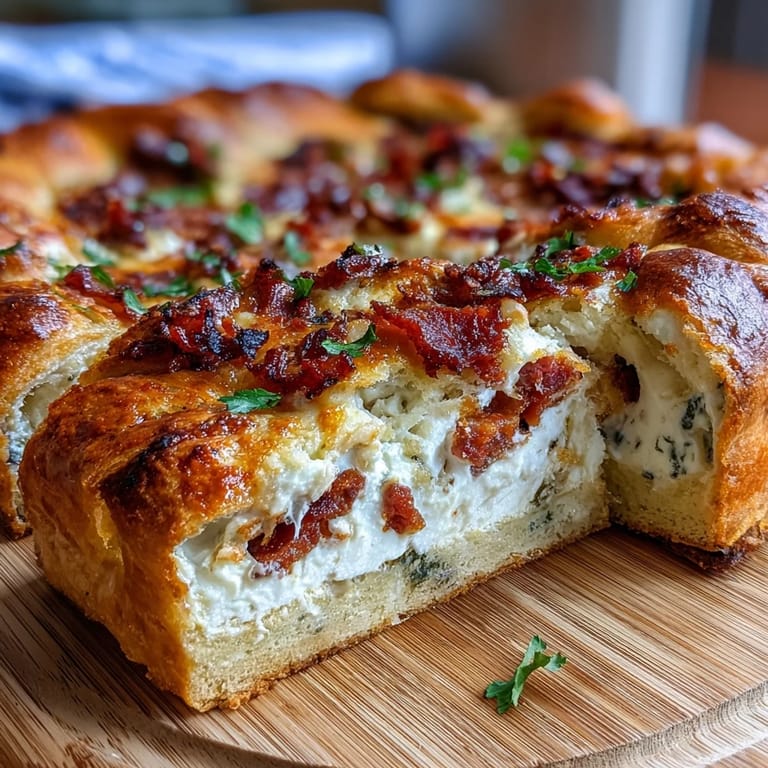
Save This Italian Easter pie became my love language in food form, the dish I make when someone needs comfort or celebration. It asks for your time and attention, then rewards you with something that tastes like springtime and tradition wrapped in golden pastry.
Recipe Questions & Answers
- → What type of cheese is used in the filling?
The filling includes whole-milk ricotta, grated Parmigiano-Reggiano, and shredded mozzarella cheese.
- → Can I substitute the salami with another meat?
Yes, prosciutto or cooked ham can be used as alternatives for a different flavor profile.
- → How is the lattice crust made?
The pastry dough is rolled out, with strips cut from the remaining dough arranged in a crisscross pattern on top of the filling before baking.
- → What is the best way to serve this pie?
It is best served slightly warm or at room temperature, which enhances the flavors and texture.
- → Is there a vegetarian option for the filling?
Yes, omitting the salami and adding sautéed spinach or artichokes creates a delicious vegetarian version.