 Save
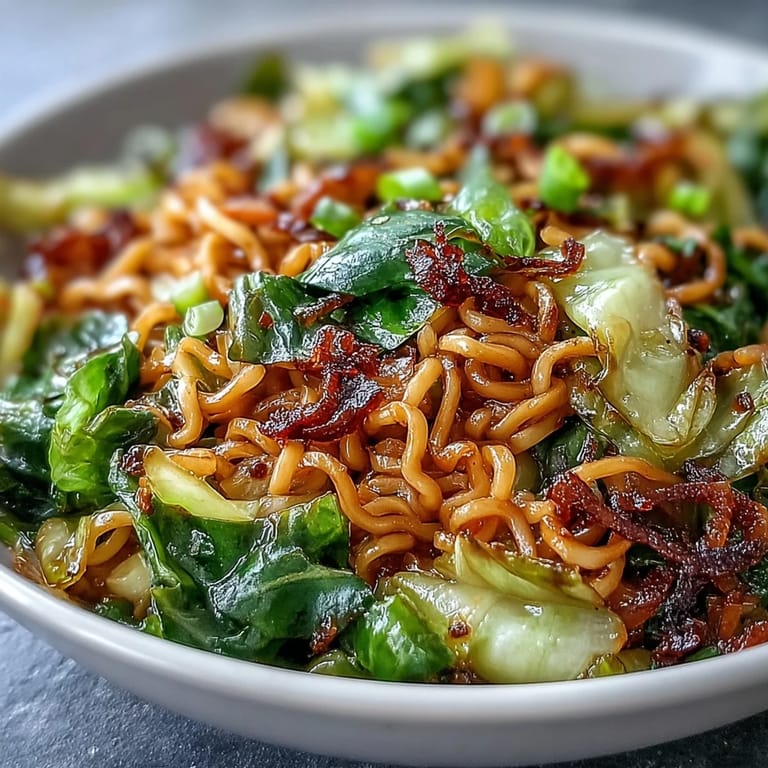
Save One chilly Tuesday, I stood staring into my fridge at a half head of cabbage and two forgotten ramen packets. My original dinner plan had fallen through, and I was tired from a long day. Instead of ordering takeout, I decided to throw them together in a hot skillet with whatever sauce ingredients I could scrounge up. What emerged was this crispy, savory, deeply satisfying bowl that's now my go-to when I need comfort without the wait.
I made this for my roommate during finals week, and she looked up from her textbooks with the kind of gratitude usually reserved for much fancier gestures. We ate straight from the skillet, passing it back and forth across the counter, and she asked me to teach her how to make it the next weekend. Since then, it's become our unofficial study fuel, and I've watched her make it for other stressed friends in turn.
Ingredients
- Green cabbage (3 cups, thinly sliced): The star here, it wilts down but keeps a satisfying bite and develops sweet, caramelized edges when you let it sit undisturbed for a moment in the hot pan.
- Carrot (1 medium, julienned): Adds color and a slight earthy sweetness that balances the salty sauce, plus it stays just tender enough to feel fresh.
- Scallions (2, greens and whites separated): The whites cook down into the aromatics for depth, while the greens stay bright and sharp as a garnish.
- Garlic (2 cloves, minced): This is your fragrance foundation, the moment your kitchen starts smelling like something worth staying home for.
- Fresh ginger (1 tablespoon, grated): It brings warmth and a little zing that cuts through the richness and makes every bite feel alive.
- Instant ramen noodles (2 packs, seasoning discarded): You're using just the noodles as a chewy, quick-cooking base, the seasoning packets are too salty and one-note for this dish.
- Soy sauce (2 tablespoons): The backbone of umami, it seasons everything and adds that deep, savory color.
- Oyster sauce (1 tablespoon, or mushroom sauce for vegan): This gives the sauce body and a subtle sweetness that rounds out the sharper flavors.
- Toasted sesame oil (1 tablespoon): Just a little bit perfumes the whole dish with a nutty, toasted aroma that makes it feel restaurant-quality.
- Rice vinegar (1 teaspoon): A small splash brightens everything and keeps the sauce from feeling heavy.
- Sugar (1 teaspoon): Balances the salty and sour notes, and helps the cabbage caramelize beautifully.
- Chili flakes (1/2 teaspoon, optional): For those nights when you want a little heat to wake up your taste buds.
- Vegetable oil (2 tablespoons): A neutral oil with a high smoke point is perfect for getting that skillet screaming hot without any burnt flavors.
Tired of Takeout? 🥡
Get 10 meals you can make faster than delivery arrives. Seriously.
One email. No spam. Unsubscribe anytime.
Instructions
- Boil the noodles:
- Bring a pot of water to a rolling boil, drop in the ramen noodles, and cook them just until they separate and soften, usually about 3 minutes. Drain them well and set aside, they'll finish cooking in the skillet later.
- Mix the sauce:
- In a small bowl, whisk together the soy sauce, oyster or mushroom sauce, sesame oil, rice vinegar, sugar, and chili flakes until the sugar dissolves. Having this ready means you can move fast once the vegetables hit the pan.
- Start the aromatics:
- Heat your vegetable oil in a large skillet or wok over medium-high heat until it shimmers, then add the garlic, ginger, and white parts of the scallions. Stir them around for about a minute until your kitchen smells incredible and they just start to turn golden.
- Fry the vegetables:
- Toss in the cabbage and carrot, spreading them out across the pan. Let them cook for 4 to 5 minutes, stirring occasionally but also giving them moments to sit so they get those lovely browned, crispy edges.
- Toss it all together:
- Add the cooked noodles to the skillet and pour the prepared sauce over everything. Use tongs or a spatula to toss and turn everything together for 2 to 3 minutes until the noodles are coated, heated through, and everything is glistening.
- Finish and serve:
- Pull the skillet off the heat, scatter the green parts of the scallions on top, and serve it immediately while it's still steaming. The contrast between the hot noodles and the cool, sharp scallion greens is perfect.
 Save
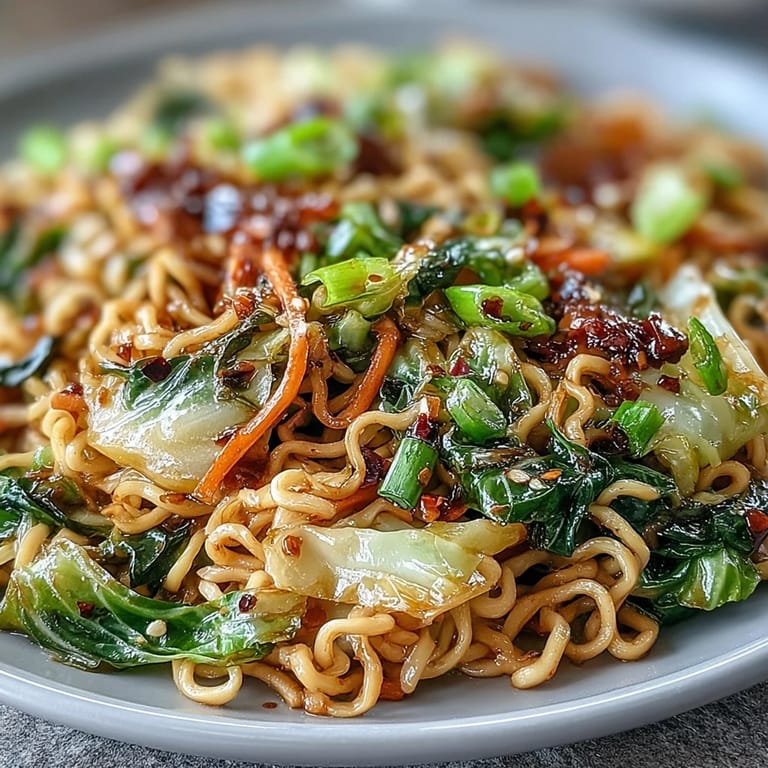
Save There's a moment, right when you toss the noodles with the sauce and the steam rises up carrying that sesame and ginger smell, that I always pause and think about how something so simple can feel like such a gift. I've made this alone on quiet evenings, and I've made it for friends crowded around my tiny kitchen island, and both times it's felt exactly right.
Making It Your Own
This recipe is incredibly forgiving and practically begs you to experiment. I've added sliced mushrooms, bell peppers, and snap peas depending on what's in my crisper drawer, and every version has been delicious. If you want more protein, a fried egg on top with a runny yolk turns this into a completely different experience, or you can toss in crispy tofu for a vegan boost. Sometimes I'll finish it with toasted sesame seeds or crushed peanuts for extra texture, and on particularly indulgent nights, a drizzle of chili oil makes it absolutely sing.
What to Serve Alongside
This dish is hearty enough to stand alone, but I like pairing it with something cool and refreshing to balance the warmth and richness. A simple cucumber salad with rice vinegar and a pinch of salt is perfect, or even just some pickled vegetables straight from the jar. If you're feeding a crowd, some steamed edamame or a light miso soup on the side rounds out the meal without overshadowing the main event.
Storage and Reheating
Leftovers keep well in an airtight container in the fridge for up to three days, though the noodles will soak up some of the sauce and soften a bit. When I reheat it, I do so in a skillet over medium heat with a splash of water or a drizzle of sesame oil to loosen everything up and bring back some of that glossy coating. The microwave works in a pinch, but you'll lose some of the texture that makes this dish so satisfying.
- Store in the fridge for up to 3 days in a sealed container.
- Reheat gently in a skillet with a bit of water or oil to refresh the sauce.
- Garnish with fresh scallions again after reheating to brighten it up.
 Save
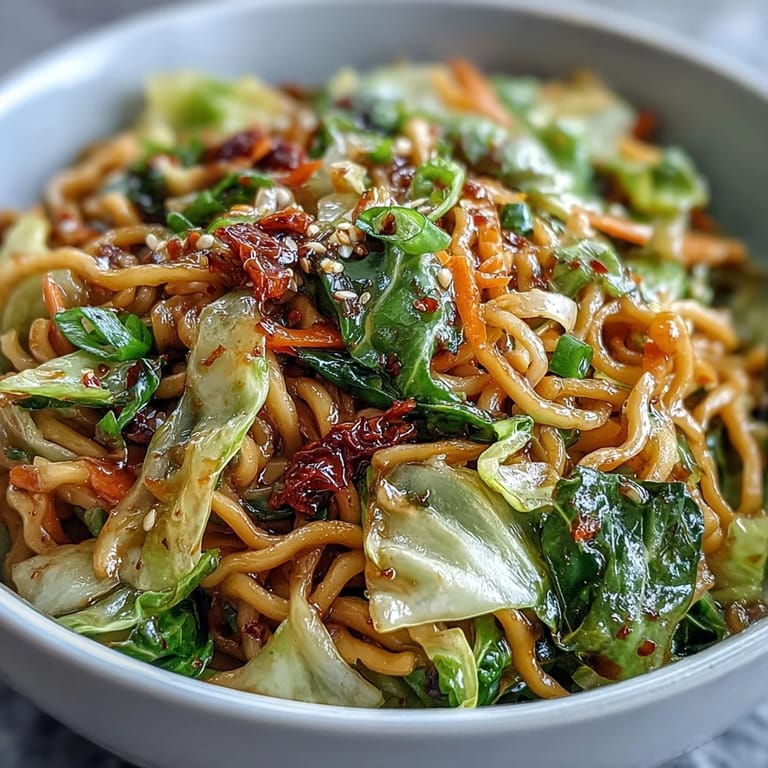
Save This is the kind of recipe that reminds me why I love cooking, it's quick, it's flexible, and it never fails to make me feel like I've done something good for myself. I hope it becomes one of those dishes you reach for without thinking, the way I do now.
Recipe Questions & Answers
- → Can I use fresh noodles instead of instant ramen?
Yes, fresh ramen noodles, udon, or rice noodles work perfectly. Cook according to package directions and proceed with the stir-fry as instructed.
- → How do I make this dish vegan?
Replace oyster sauce with mushroom sauce or hoisin sauce, and ensure your noodles don't contain egg. All other ingredients are naturally plant-based.
- → What vegetables can I add or substitute?
Bell peppers, snap peas, mushrooms, bok choy, or broccoli work wonderfully. Add heartier vegetables when you start stir-frying the cabbage for even cooking.
- → How can I increase the protein content?
Top with a fried or soft-boiled egg, add cubed tofu, edamame, or cooked chicken. Stir-fry protein separately and combine with the noodles at the end.
- → Can I prepare components ahead of time?
Yes, slice vegetables and mix the sauce up to 24 hours ahead. Store separately in the refrigerator. Cook noodles and stir-fry just before serving for best texture.
- → What makes the cabbage crispy?
High heat and avoiding overcrowding the pan allows moisture to evaporate quickly, creating crispy, caramelized edges while keeping the center tender-crisp.