 Save
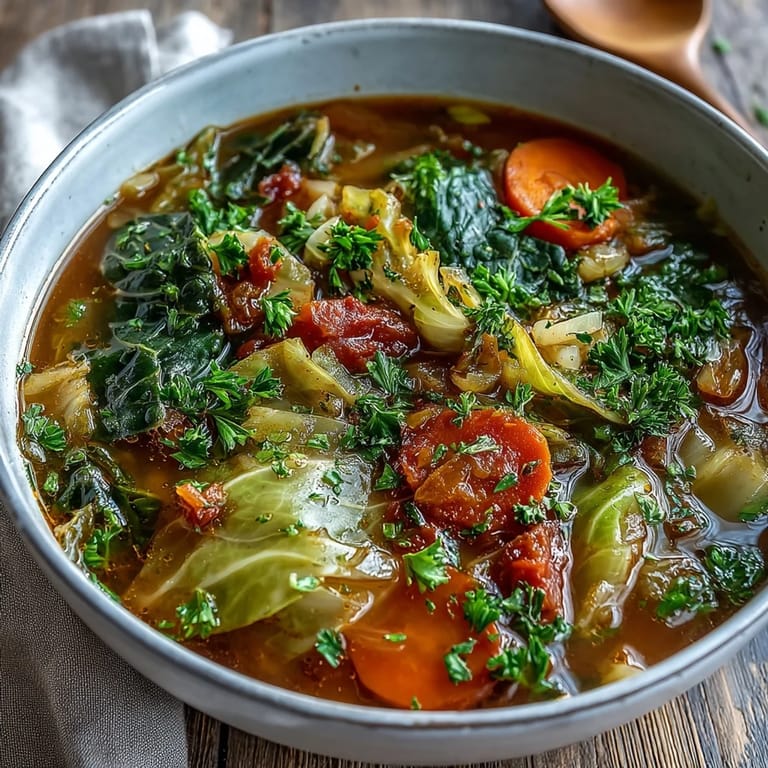
Save There was a week last winter when I opened the fridge and found half a cabbage I'd forgotten about, along with some tired carrots and a few celery stalks. I almost tossed them, but instead I grabbed my biggest pot and decided to make something warm. What started as a clean-out-the-fridge mission turned into one of the most quietly satisfying soups I've ever made. It filled the kitchen with the kind of earthy, sweet smell that makes you want to stay home all day.
I made this soup for my neighbor after she mentioned feeling under the weather, and she texted me later that night asking for the recipe. She said it reminded her of something her grandmother used to make, which wasn't my intention, but it made me realize how certain flavors just feel like home. Since then, I've made it at least a dozen times, tweaking it slightly each round.
Ingredients
- Green cabbage: The star here, it becomes tender and sweet after simmering, releasing a mild flavor that soaks up the broth beautifully.
- Carrots and celery: These build the aromatic base and add a gentle sweetness that balances the tomato.
- Yellow onion: I always use yellow for soups because it softens into the background and adds body without overpowering.
- Garlic: Just two cloves are enough to bring warmth without making the soup taste sharp.
- Diced tomatoes: Use the kind with juice, it gives the broth a richer, slightly tangy backbone.
- Tomato paste: This deepens the color and adds a concentrated umami note that makes the soup feel more complete.
- Vegetable broth: The foundation of everything, choose a good quality one or make your own if you have time.
- Dried thyme: A subtle herbal note that ties all the vegetables together without being obvious.
- Bay leaf: Don't skip it, it adds a quiet depth you'll miss if it's not there.
- Smoked paprika: Optional, but it brings a gentle smokiness that makes the soup taste like it's been simmering for hours.
- Fresh parsley: A handful at the end brightens everything up and adds a pop of color.
Tired of Takeout? 🥡
Get 10 meals you can make faster than delivery arrives. Seriously.
One email. No spam. Unsubscribe anytime.
Instructions
- Start with the aromatics:
- Heat your pot over medium heat with a little oil, then add the onion, carrot, and celery. Let them cook for about 5 minutes, stirring now and then, until they soften and smell sweet.
- Add the garlic:
- Toss in the minced garlic and stir for just a minute. You'll know it's ready when the smell hits you, warm and a little sharp.
- Wilt the cabbage:
- Add all that chopped cabbage and stir it around for a few minutes. It'll look like too much at first, but it shrinks fast as it starts to soften.
- Bloom the tomato paste:
- Stir in the tomato paste and let it cook for a minute. This step makes it taste richer and less raw.
- Build the broth:
- Pour in the diced tomatoes, broth, thyme, bay leaf, smoked paprika, salt, and pepper. Stir everything together so the flavors start to mingle.
- Simmer until tender:
- Bring it all to a boil, then turn the heat down low, cover the pot, and let it simmer for 25 to 30 minutes. The cabbage should be meltingly soft by the end.
- Finish and serve:
- Fish out the bay leaf, taste the broth, and adjust the salt if needed. Ladle it into bowls and sprinkle fresh parsley on top.
 Save
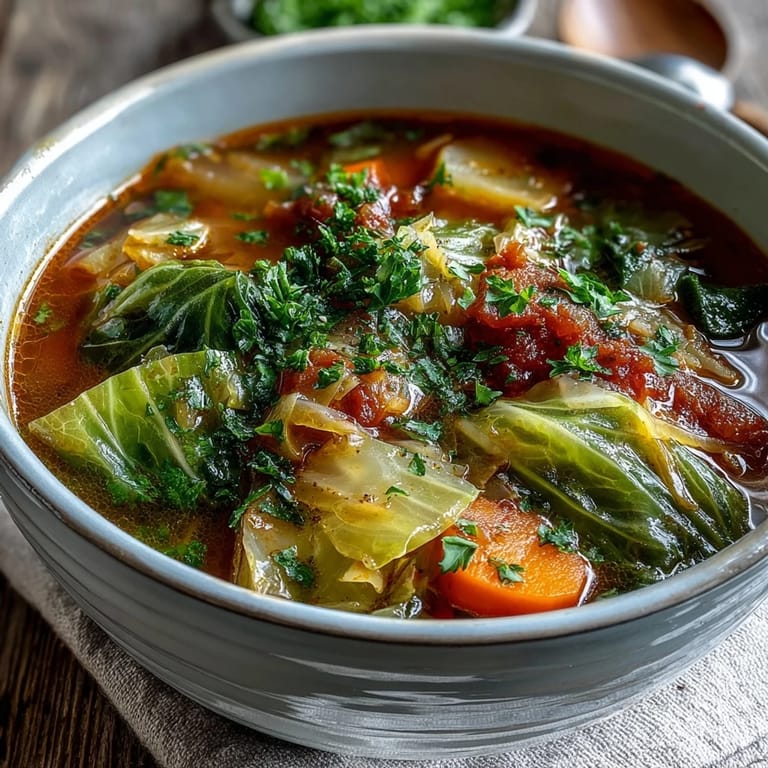
Save One evening I served this soup with thick slices of rye bread, and my partner said it tasted like something you'd eat in a small kitchen somewhere far from here. We didn't say much after that, just ate quietly and listened to the rain outside. It's funny how a simple pot of soup can do that.
Making It Heartier
If you want to stretch this soup further or make it more filling, add diced potatoes when you add the cabbage, or stir in a can of drained white beans toward the end. Both additions soak up the broth and turn it into a full meal without changing the character of the soup.
Storing and Reheating
This soup keeps beautifully in the fridge for up to five days, and the flavors actually deepen as it sits. I like to store it in a big glass container and reheat single servings on the stove with a splash of extra broth if it's thickened up. It also freezes well for up to three months, just let it cool completely before transferring to freezer safe containers.
Pairing and Serving Ideas
I almost always serve this with rye bread or a crusty roll, something with a bit of chew to soak up the broth. A dollop of sour cream on top is wonderful if you're not keeping it dairy free, and a squeeze of lemon at the end can brighten the whole bowl.
- Serve alongside a simple green salad with a sharp vinaigrette.
- Top with a drizzle of good olive oil and cracked black pepper.
- Pair with pickles or sauerkraut for a tangy contrast.
 Save
Save This soup has become my go to when I need something simple, warm, and honest. I hope it finds a place in your kitchen too.
Recipe Questions & Answers
- → Can I make this soup ahead of time?
Yes, this soup stores well in the refrigerator for up to 5 days and actually tastes better the next day as the flavors meld together. Reheat gently on the stovetop or in the microwave.
- → How can I make this soup heartier?
Add diced potatoes during step 5 for extra substance, or stir in cooked white beans, chickpeas, or lentils near the end of cooking. You can also add cooked rice or quinoa when serving.
- → Can I use a different type of cabbage?
Absolutely. Red cabbage works well and adds beautiful color, though it may slightly alter the flavor. Savoy cabbage is also an excellent choice for a more delicate texture.
- → What can I substitute for vegetable broth?
You can use chicken broth for a non-vegetarian version, or simply use water with additional seasonings. Bouillon cubes dissolved in water also work in a pinch.
- → Can I freeze this soup?
Yes, this soup freezes beautifully for up to 3 months. Cool completely before transferring to freezer-safe containers, leaving some headspace for expansion. Thaw overnight in the refrigerator before reheating.
- → Why is my soup too acidic?
Tomatoes can add acidity. Balance it by adding a pinch of sugar or a splash of apple cider vinegar. You can also reduce the amount of tomato paste or use fire-roasted tomatoes for a sweeter flavor.