 Save
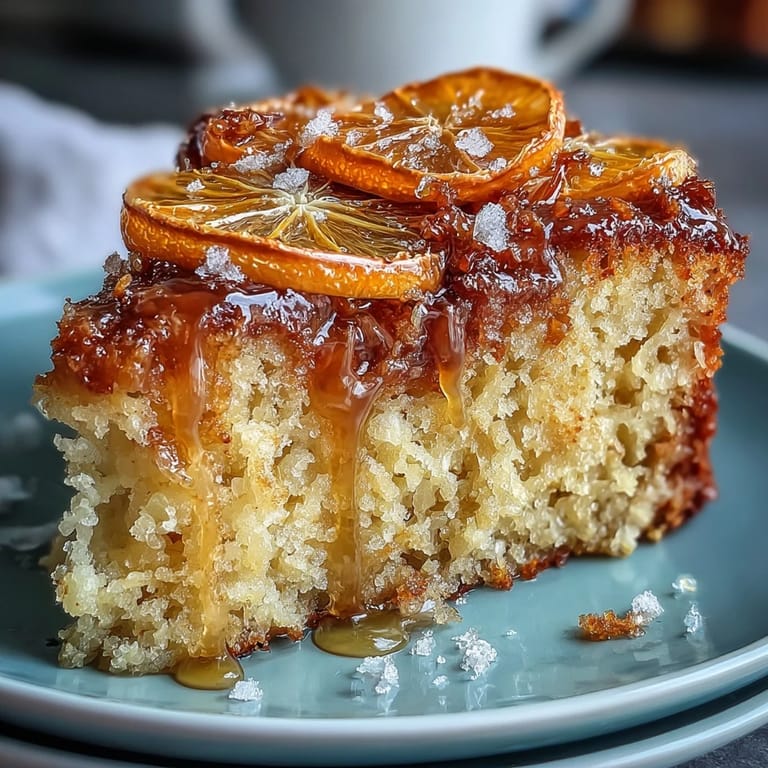
Save My neighbor brought over a jar of homemade candied oranges last winter, and I stood in my kitchen holding it up to the light like it was liquid gold. The slices gleamed amber and translucent, and I immediately wondered what I could do with them besides eat them straight from the jar. That evening, I decided to build a cake around them, layering olive oil and almond flour into something that felt both Mediterranean and unexpectedly modern. The result was so good I've made it dozens of times since, each batch reminding me why good ingredients deserve the gentlest treatment.
I served this to my book club on a rainy Thursday night, and watching everyone's faces light up when they tasted that orange-almond combination made me realize I'd stumbled onto something special. One friend asked for the recipe immediately, then made it for her mother's birthday the following week. It's become one of those dishes that travels between kitchens, picking up little variations along the way.
Ingredients
- Candied Oranges (2 medium oranges, 1 cup sugar, 1 cup water): Making these yourself is non-negotiable because store-bought versions are often overly sweet and lack that delicate translucence that makes them shine.
- Almond flour (2 cups): Use blanched almond flour if you want a refined look, but the unblanched version adds deeper flavor and I honestly prefer it.
- Gluten-free flour blend or all-purpose flour (1/2 cup): The blend adds structure that pure almond flour can't provide, so don't skip it even if you're not avoiding gluten.
- Baking powder (1 1/2 tsp): This is what gives you a tender crumb instead of a dense brick, so measure carefully.
- Salt (1/4 tsp): A small amount that amplifies everything else without making the cake taste salty.
- Eggs (3 large, room temperature): Room temperature eggs incorporate more smoothly and create a better texture, so take them out of the fridge 30 minutes before baking.
- Sugar (3/4 cup): Granulated sugar dissolves perfectly and gives you that light, airy crumb when beaten with eggs.
- Extra-virgin olive oil (1/2 cup): This is your star ingredient, so use something you actually enjoy drinking, not the bottom-shelf stuff.
- Greek yogurt (1/2 cup): It adds tanginess and moisture while keeping the crumb tender, and dairy-free versions work beautifully too.
- Orange zest (1 orange): Zest before you slice or juice anything, and use a microplane for fine, fragrant pieces that distribute evenly.
- Vanilla extract (1 tsp): A modest amount that rounds out the flavors without competing with the orange.
- Powdered sugar and fresh mint (for serving): These are optional but turn an already-good cake into something you'd serve to people you actually want to impress.
Tired of Takeout? 🥡
Get 10 meals you can make faster than delivery arrives. Seriously.
One email. No spam. Unsubscribe anytime.
Instructions
- Candy the oranges with patience:
- Combine 1 cup sugar and 1 cup water in a saucepan and bring to a gentle simmer, stirring until the sugar dissolves completely. Arrange thin orange slices in a single layer and simmer for 20-25 minutes, turning them halfway through, until they turn translucent and glassy. You'll smell the transformation—that's how you know they're ready.
- Prepare your stage:
- Preheat the oven to 350°F and grease a 9-inch round cake pan thoroughly, then line the bottom with parchment paper. This step feels simple but it's what keeps your cake from sticking and makes it easy to flip.
- Layer the foundation:
- Arrange the cooled candied orange slices on the bottom of the pan in overlapping circles, which looks beautiful when the cake is inverted and also distributes the flavor throughout each slice.
- Build the dry mixture:
- Whisk together almond flour, gluten-free flour, baking powder, and salt in a large bowl, making sure there are no lumps in the almond flour because they won't dissolve during baking. This only takes a minute but it makes a real difference in the final texture.
- Cream the eggs and sugar:
- Beat the room-temperature eggs with 3/4 cup sugar for 2-3 minutes until the mixture is pale, thick, and ribbony—you're not just mixing, you're incorporating air. This is what gives you a tender, light cake instead of something dense.
- Fold in the flavors:
- Whisk the olive oil, Greek yogurt, orange zest, and vanilla into the egg mixture until smooth and well combined, then gently fold the dry ingredients into the wet mixture until just combined. The word gentle matters here because overmixing toughens the cake.
- Bake with trust:
- Pour the batter over the candied oranges and smooth the top, then bake for 40-45 minutes until a toothpick inserted in the center comes out clean. The kitchen will smell incredible, which is its own reward.
- Cool and reveal:
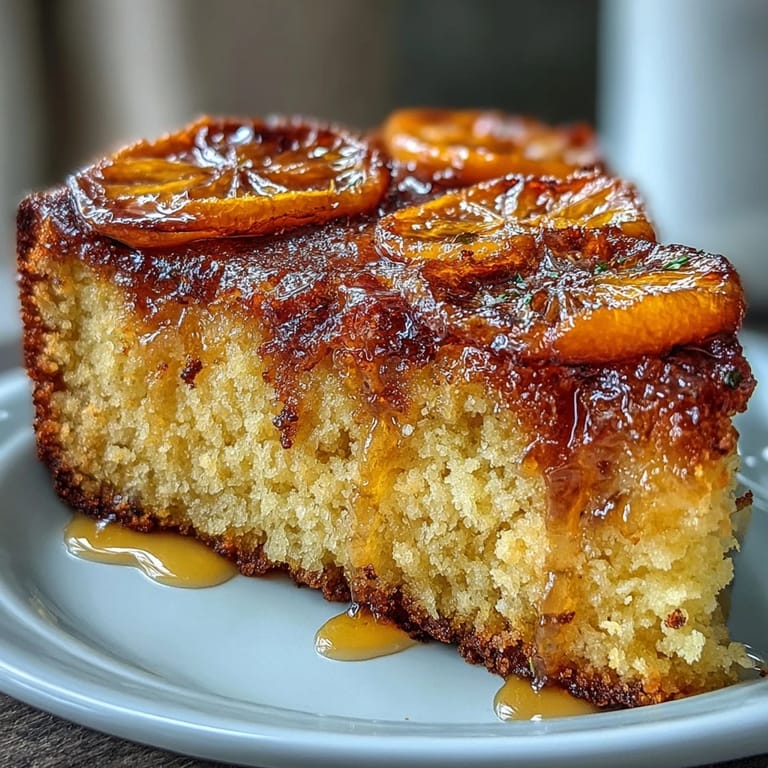
- Let the cake rest in the pan for 10 minutes so it sets just enough to hold together, then run a thin knife around the edges, place a serving plate on top, and flip with confidence. The candied oranges will be revealed on top like a beautiful surprise.
- Finish with elegance:
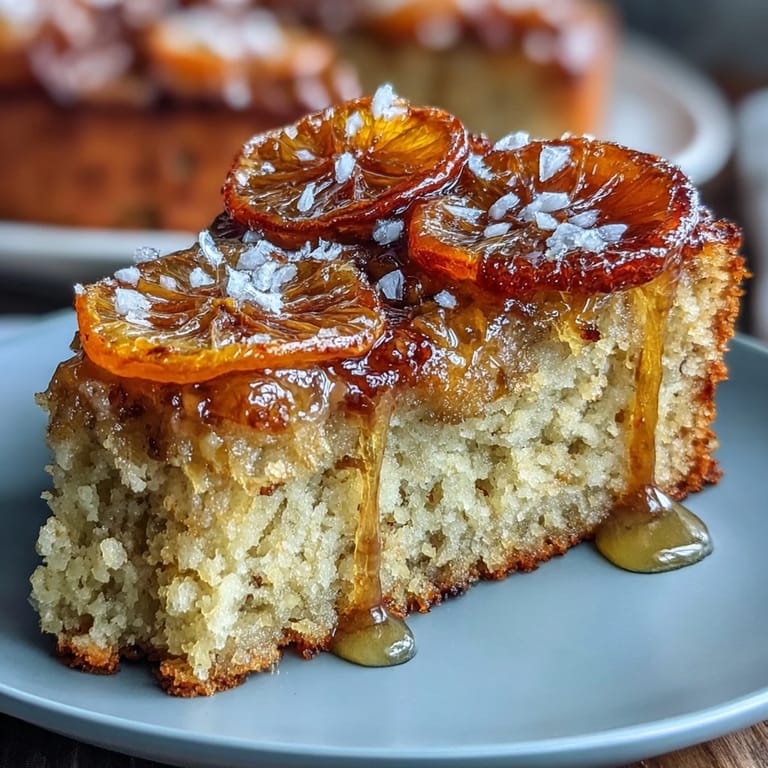
- Dust with powdered sugar and scatter fresh mint leaves across the top if you like, then serve at room temperature when the flavors are most vibrant. This is when the cake is at its best.
 Save
Save There's something about the moment you flip this cake and see those candied oranges perfectly arranged on top that makes all the small steps feel worthwhile. It stopped being just a recipe and became a gift I give to people, a way of saying you're worth the extra care.
Why This Cake Works So Well
Olive oil-based cakes have a reputation for being either too dense or too oily, but the combination of yogurt and the right ratio of flour prevents that completely. The almond flour adds a subtle nuttiness that makes you taste the quality of every ingredient, and the candied oranges provide both visual appeal and a bright flavor that keeps the cake from ever feeling heavy. I've learned through trial and error that this particular combination is remarkably forgiving—slight variations don't derail it the way they might with a traditional butter cake.
Making Candied Oranges at Home
The candying process is actually therapeutic if you have 30 minutes to spare and don't mind the smell of caramelizing sugar filling your kitchen. The key is using a gentle simmer rather than a rolling boil, which preserves the structure of the orange slices and prevents them from turning to mush. I always make extra because they're delicious on their own, scattered over yogurt, or stirred into sparkling water for a homemade citrus drink.
Storage and Make-Ahead Magic
This cake actually improves after a day because the olive oil continues to keep everything moist and the flavors meld together in quiet ways. Cover it at room temperature and it will stay fresh for two days, though it rarely lasts that long in my house. If you want to bake it even further ahead, you can freeze the cooled cake (with or without the candied oranges) for up to a month and thaw it overnight before serving.
- Bring the cake to room temperature before serving so the olive oil flavor shines through instead of tasting muted and dull.
- If you're making this for a crowd, you can double the recipe and bake it in a 9-inch springform pan for a more dramatic presentation.
- Blood oranges make this cake absolutely stunning if you can find them, with a deeper color and slightly more sophisticated flavor.
 Save
Save Every time I make this cake I'm reminded that the best recipes are the ones that make you want to slow down and enjoy the process. This one does exactly that.
Recipe Questions & Answers
- → How do I make candied oranges for this cake?
Simmer thin orange slices gently in a sugar-water syrup until translucent and tender, about 20-25 minutes. Cool on parchment before layering.
- → Can I use regular flour instead of gluten-free flour?
Yes, standard all-purpose flour can replace gluten-free flour if dietary restrictions are not a concern.
- → What role does olive oil play in this cake?
Olive oil adds moisture and a subtle fruity richness, enhancing the cake's tender texture and Mediterranean character.
- → Is it necessary to let the cake cool before removing from the pan?
Allowing the cake to cool for 10 minutes helps it set and prevents breaking when inverted from the pan.
- → How can I vary the flavor using different oranges?
Using blood oranges intensifies color and flavor with a hint of berry-like sweetness, adding vibrancy to the cake.
- → Can I substitute dairy-free yogurt in this cake?
Yes, a plant-based yogurt works well, maintaining moisture and tang without altering texture significantly.