 Save
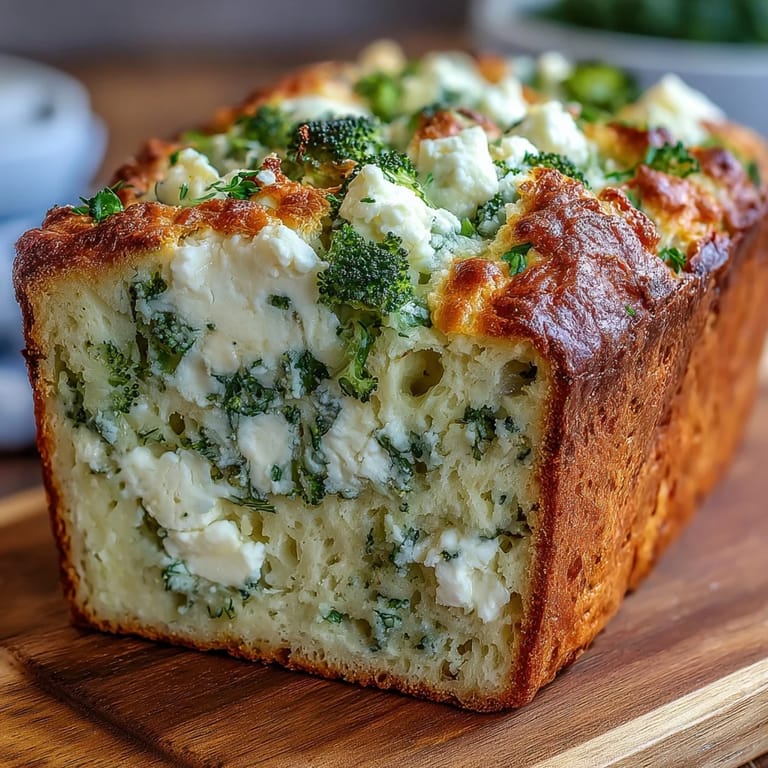
Save My neighbor once brought over a slice of broccoli and feta loaf still warm from her oven, and I was struck by how something so wholesome could taste so indulgent. The tender broccoli florets seemed to melt into every bite, while the feta added this salty, tangy richness that made it feel less like health food and more like comfort. I asked for her recipe that same afternoon, and now whenever I need something that bridges the gap between nourishing and genuinely delicious, this loaf is what I reach for.
There's something about making this loaf on a quiet Saturday morning that just works. My kitchen fills with the smell of buttery batter and earthy broccoli, and by the time it's cooling on the rack, I've usually called someone over to try a slice warm with their coffee. It's become the kind of recipe I make when I want to show up for people without fussing, because the loaf does most of the talking for me.
Ingredients
- Broccoli florets: Keep them small and finely chopped so they distribute evenly through the batter and stay tender during baking rather than turning tough.
- Feta cheese: Crumble it by hand rather than using pre-crumbled if you can, because it breaks apart more naturally and gives you better texture throughout the loaf.
- Buttermilk: This is what makes the crumb so tender and slightly tangy—regular milk won't give you the same lift or moisture.
- Unsalted butter: Melted and cooled slightly so it doesn't scramble the eggs when you combine them.
- All-purpose flour: Measure by spooning and leveling rather than scooping directly from the bag, or you'll end up with a dense loaf.
- Baking powder and baking soda: Together they create a subtle rise and crumb structure that keeps the loaf light without being airy.
- Salt and black pepper: These aren't afterthoughts here—they make the vegetables and cheese sing.
- Large eggs: Room temperature if you remember, but don't stress if you forget; they'll still work just fine.
Tired of Takeout? 🥡
Get 10 meals you can make faster than delivery arrives. Seriously.
One email. No spam. Unsubscribe anytime.
Instructions
- Prep your pan and heat your oven:
- Set the oven to 350°F and line a 9x5-inch loaf pan with parchment paper, letting it hang over the sides a bit so you can lift the finished loaf right out. This step takes thirty seconds but saves you from wrestling with a hot pan later.
- Tenderize the broccoli:
- Steam or blanch your broccoli for just 2 to 3 minutes—you want it tender but not soft, so it keeps its shape in the batter. Drain it well, let it cool, and pat it completely dry so you don't add excess moisture to the dough.
- Combine your dry ingredients:
- In a large bowl, whisk the flour, baking powder, baking soda, salt, and pepper together so the leavening agents distribute evenly. This whisking matters because it prevents pockets of baking powder that can taste metallic.
- Mix the wet base:
- Beat the eggs in a separate bowl, then pour in the buttermilk and melted butter, stirring gently to combine everything smoothly. The mixture should look pale and cohesive, not separated.
- Bring it together gently:
- Pour the wet ingredients into the dry ingredients and stir just until you see no more streaks of flour—this is where restraint matters because overmixing develops gluten and makes the loaf tough and dense. It should look rustic and slightly lumpy.
- Fold in your vegetables and cheese:
- Use a rubber spatula to fold the broccoli and feta into the batter with the same gentle hand, making sure they're distributed but not crushed. You'll feel like you're barely stirring, and that's exactly right.
- Into the pan it goes:
- Pour the batter into your prepared pan and smooth the top lightly so it bakes evenly, but don't press down hard or you'll compress everything. The batter should fill the pan about three-quarters of the way.
- Bake until golden and set:
- Bake for 45 to 50 minutes until the top is golden brown and a toothpick inserted into the center comes out clean or with just a few moist crumbs clinging to it. The kitchen will smell incredible at this point.
- Cool with patience:
- Let it rest in the pan for 10 minutes so it firms up just enough to slice cleanly, then turn it out onto a wire rack to cool completely before slicing. This cooling step is what keeps the crumb structure intact when you finally cut into it.
 Save
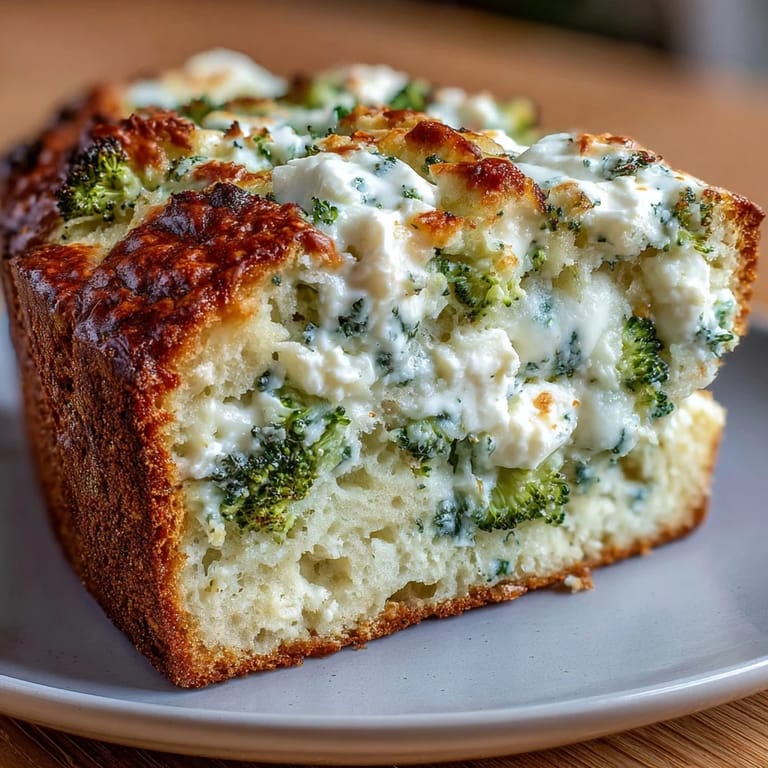
Save I made this loaf for my friend who'd just had surgery, and she later told me it was the first thing she actually wanted to eat in days. There's something about homemade bread that carries more than just flavor—it carries the message that someone thought about you and took the time.
When to Add Fresh Herbs
If you want to push this loaf toward something more herbaceous and bright, add 2 tablespoons of fresh chopped herbs like dill, chives, or parsley right when you fold in the broccoli and feta. Dill is my go-to because it plays beautifully with feta and doesn't overpower the vegetables, but I've also used a combination of chives and parsley with excellent results. The herbs stay fresher tasting when added at this stage rather than mixed into the dry ingredients where they can lose some of their punch.
Making It Heartier
You can substitute whole wheat flour for half the all-purpose flour if you want more fiber and a slightly nuttier flavor, though this does make the crumb a touch denser. I've found that when I do this, I add an extra tablespoon of buttermilk because whole wheat flour absorbs more liquid, and it keeps the loaf from tightening up. The baking time stays the same, so just watch for that golden top and clean toothpick test.
Serving and Storage Ideas
This loaf is equally at home alongside a bowl of soup for lunch, served warm as part of a vegetable-forward spread, or sliced and toasted for breakfast with a soft spread of butter. It keeps well wrapped in the fridge for three or four days, and toasting brings back its warmth and texture beautifully. I've even frozen slices individually wrapped in parchment and plastic wrap, and they thaw quickly for an unexpected snack or light meal.
- Toast slices the next morning and top with cream cheese and fresh dill for an open-faced breakfast.
- Crumble leftover loaf into salads for texture, or dry it out completely for homemade breadcrumbs.
- Pair it with hard cheeses, cured meats, and pickles for a casual charcuterie-style meal.
 Save
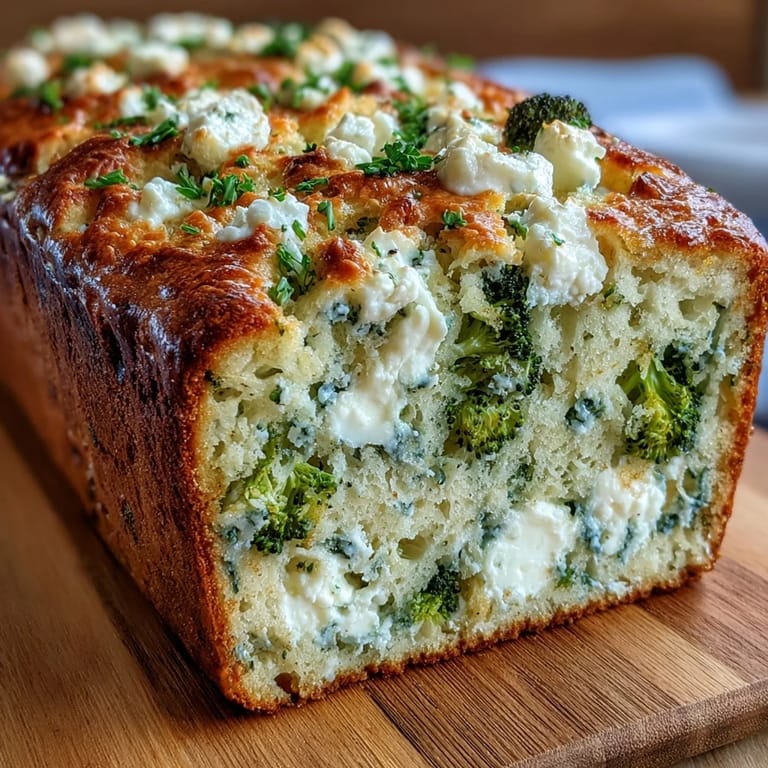
Save This is the kind of recipe that proves comfort and nutrition don't have to be opposites—they can be the same beautiful thing on a plate. Make it, share it, and watch how something this simple becomes the meal people remember.
Recipe Questions & Answers
- → Can I use frozen broccoli instead of fresh?
Yes, frozen broccoli works well. Thaw and drain thoroughly, then pat dry before adding to the batter to prevent excess moisture from affecting the loaf's texture.
- → What can I substitute for buttermilk?
Mix 1 cup of regular milk with 1 tablespoon of vinegar or lemon juice, let it sit for 5 minutes until thickened. Alternatively, use plain yogurt thinned with a little water.
- → How should I store this loaf?
Wrap tightly in plastic wrap or store in an airtight container at room temperature for up to 3 days. For longer storage, refrigerate for up to a week or freeze individual slices for up to 3 months.
- → Can I make this dairy-free?
Substitute feta with dairy-free feta alternatives or olives for similar saltiness. Replace buttermilk with plant-based milk plus vinegar, and use coconut oil or vegan butter instead of dairy butter.
- → Why is my loaf dense or heavy?
Overmixing the batter can develop gluten, making the loaf tough. Stir gently until just combined. Also ensure your baking powder and soda are fresh - expired leavening agents prevent proper rising.